
The classroom of tomorrow is here today, blending tactile learning experiences with cutting-edge digital tools to create environments where every student thrives.

Traditional education models are rapidly evolving as educators worldwide recognize that the future belongs to hybrid classrooms—spaces where physical materials and digital resources work in perfect harmony. This transformation isn’t just about adding tablets to desks; it’s a fundamental reimagining of how students engage with knowledge, collaborate with peers, and develop skills for an increasingly complex world.
The pandemic accelerated a shift that was already underway, proving that education can transcend physical boundaries while simultaneously highlighting the irreplaceable value of hands-on learning. Now, as schools chart their path forward, the most successful institutions are those embracing a balanced approach that leverages the best of both worlds.
🎯 Understanding the Hybrid Classroom Revolution
The hybrid classroom represents more than a temporary solution to unprecedented challenges. It’s a pedagogical evolution that acknowledges how today’s students learn best—through diverse modalities that engage multiple senses and learning styles simultaneously.
Research consistently demonstrates that students retain information more effectively when they can manipulate physical objects, experiment with real-world materials, and then extend those experiences through digital platforms. This multisensory approach creates neural pathways that single-method instruction simply cannot achieve.
Modern hybrid classrooms aren’t cluttered with technology for technology’s sake. Instead, they feature carefully curated spaces where students might build a model with their hands, document their process digitally, research related concepts online, and collaborate with classmates across different locations—all within a single lesson.
Building Blocks: Essential Components of Hybrid Success
Creating an effective hybrid learning environment requires thoughtful planning and strategic resource allocation. The most successful implementations share several core characteristics that distinguish them from classrooms that simply add digital tools without rethinking their approach.
Physical Infrastructure That Supports Flexibility
The physical classroom layout must accommodate both collaborative hands-on activities and individual digital work. Modular furniture allows quick transitions between different learning modes, while designated zones for various activities help students mentally shift between hands-on exploration and digital engagement.
Adequate power outlets, reliable charging stations, and proper lighting for both screen time and hands-on work are non-negotiable infrastructure elements. Storage solutions that keep manipulatives organized alongside device management systems ensure smooth transitions between learning modalities.
Technology That Enhances Rather Than Replaces
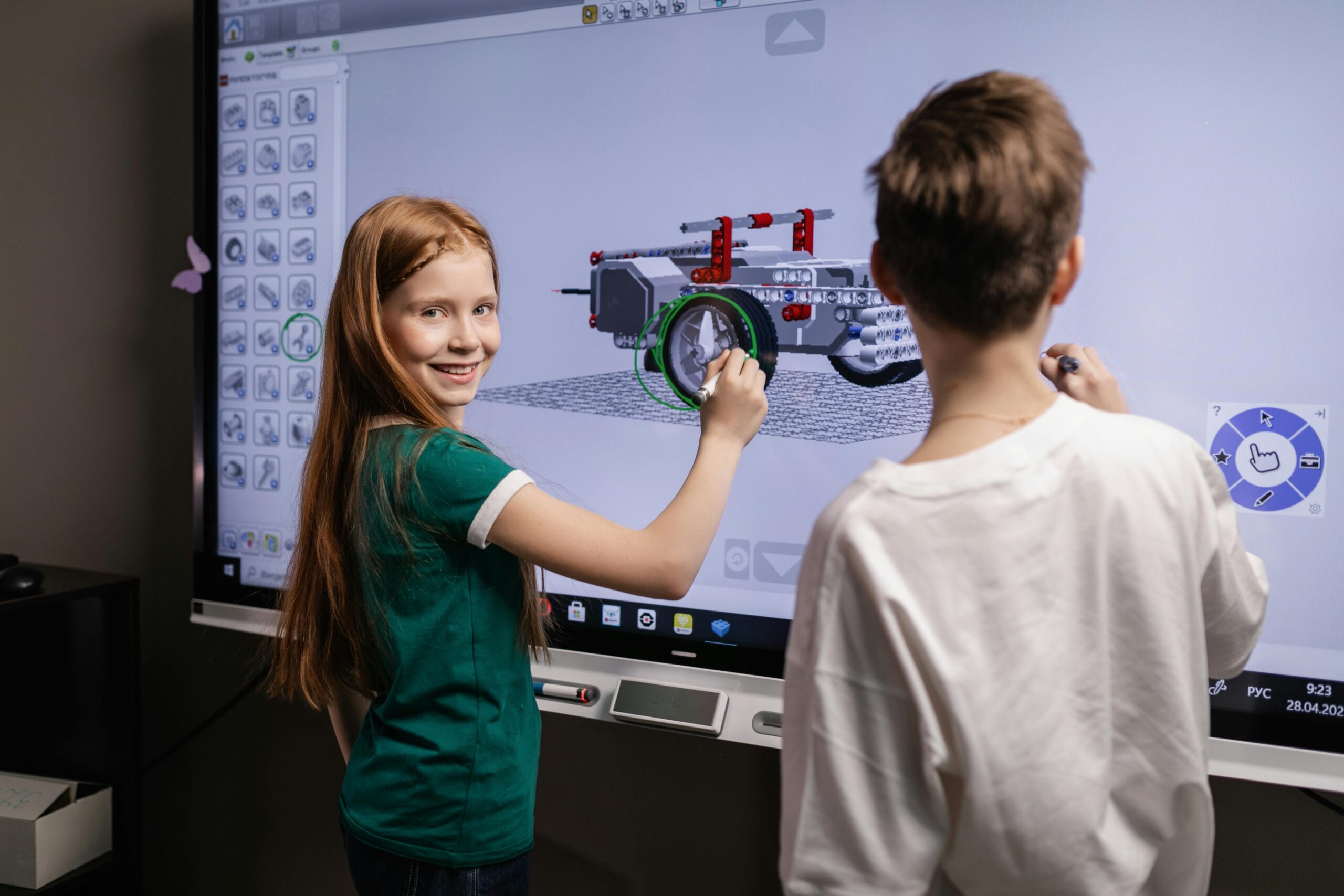
The digital tools in a hybrid classroom should amplify hands-on learning experiences rather than substituting for them. Interactive whiteboards, document cameras, and student devices work together to capture, share, and extend physical learning activities.
Cloud-based platforms enable students to document their hands-on projects, share findings with peers, and receive feedback from instructors regardless of location. The key is selecting tools that integrate seamlessly with physical activities rather than creating separate digital experiences.
📚 Curriculum Design for Maximum Engagement
Hybrid success requires curriculum that intentionally weaves together hands-on and digital elements rather than treating them as separate components. The most effective lessons create natural connections between physical exploration and digital extension.
Start by identifying learning objectives, then determine which aspects benefit most from tactile engagement and which gain value through digital tools. A science lesson might begin with students physically mixing chemical solutions, then use digital simulations to observe molecular interactions impossible to see with the naked eye.
Math instruction could involve building geometric shapes with physical materials before using augmented reality apps to visualize complex three-dimensional transformations. Language arts students might create physical story maps before collaborating on digital writing platforms to compose their narratives.
Project-Based Learning in Hybrid Environments
Project-based learning thrives in hybrid classrooms where students can research digitally, prototype physically, iterate based on digital feedback, and present findings through multimedia formats. This approach mirrors real-world professional practices across countless industries.
Students working on environmental science projects might collect physical water samples from local sources, analyze results using digital tools, build physical filtration systems, and create digital presentations documenting their process and findings for authentic audiences beyond the classroom walls.
🌟 Assessment Strategies That Capture Complete Learning
Traditional assessments often fail to capture the full spectrum of skills students develop in hybrid environments. Effective evaluation strategies must measure both hands-on competencies and digital literacies while recognizing how these skills interconnect.
Portfolio-based assessment allows students to showcase physical projects alongside digital artifacts, creating comprehensive evidence of their learning journey. Digital platforms make it easier to track progress over time, capture multimedia evidence of hands-on work, and provide timely feedback on both types of activities.
Formative Assessment Throughout the Learning Process
Hybrid classrooms enable continuous formative assessment through multiple channels. Educators can observe hands-on work in real-time while simultaneously monitoring digital engagement through learning management systems. This dual visibility provides unprecedented insight into student understanding.
Quick digital check-ins can gauge conceptual understanding before hands-on activities begin, while post-activity reflections captured digitally help students articulate what they learned through physical exploration. This constant feedback loop informs instructional adjustments in real-time.
Teacher Preparation and Professional Development 👨🏫
Even the most well-equipped hybrid classroom will underperform without educators who understand how to orchestrate seamless integration between hands-on and digital learning. Professional development must extend beyond basic technology training to address pedagogical strategies specific to hybrid environments.
Effective preparation programs provide teachers with hands-on experience designing hybrid lessons, troubleshooting common challenges, and developing classroom management strategies for environments where students engage in diverse activities simultaneously.
Ongoing support through professional learning communities allows educators to share successful strategies, collaboratively solve problems, and continuously refine their hybrid teaching approaches. Master teachers who excel in hybrid environments should mentor colleagues, creating sustainable support systems within schools.
Time Management and Lesson Pacing
One of the greatest challenges teachers face in hybrid classrooms involves managing time effectively when students work at different paces across various modalities. Successful educators develop strategies for providing extension activities, offering additional support, and ensuring productive engagement regardless of where students are in their learning journey.
Digital tools can automate certain aspects of differentiation, providing adaptive practice while teachers work directly with students needing hands-on support. Clear protocols and routines help students transition independently between activities, maximizing instructional time.
🔧 Overcoming Common Implementation Challenges
Every school faces obstacles when implementing hybrid learning models. Anticipating these challenges and developing proactive solutions significantly increases the likelihood of successful adoption.
The Digital Divide and Equity Concerns
Not all students have equal access to devices and internet connectivity outside school hours. Successful hybrid programs ensure that core learning happens during class time when all students have access to necessary resources, while optional digital extensions remain truly optional rather than required.
Schools might establish extended hours for students to access facilities, provide device lending programs, partner with community organizations to increase access points, or design lessons that can be completed with minimal technology when necessary.
Budget Constraints and Resource Allocation
Implementing hybrid classrooms doesn’t require unlimited budgets, but it does demand strategic resource allocation. Prioritize investments that serve multiple purposes—interactive displays that function for both hands-on documentation and digital content delivery, for example.
Many free and low-cost digital tools provide robust functionality for educational purposes. Focus initial spending on reliable infrastructure, then gradually add specialized tools as educators identify specific needs through implementation experience.
Real-World Success Stories 🏆
Schools successfully implementing hybrid models share common characteristics despite serving diverse populations. A middle school in Oregon transformed its science program by combining traditional lab equipment with digital sensors and data analysis tools, resulting in significantly increased student engagement and improved test scores.
An elementary school in Texas redesigned its maker space to include both traditional craft supplies and digital fabrication tools, allowing students to prototype ideas with cardboard and hot glue before creating refined versions with 3D printers and laser cutters.
A high school in Florida integrated augmented reality into its history curriculum, allowing students to examine physical artifacts while accessing digital overlays providing historical context, primary source documents, and virtual field trips to relevant locations worldwide.
📊 Measuring Impact and Continuous Improvement
Successful hybrid programs establish clear metrics for measuring impact beyond traditional academic outcomes. While test scores matter, equally important indicators include student engagement levels, collaboration quality, creative problem-solving abilities, and technical skill development.
Collect data from multiple sources: student surveys about learning preferences, parent feedback on engagement and enthusiasm, teacher observations about participation patterns, and objective measures of skill development across both hands-on and digital competencies.
Regular program evaluation identifies what’s working well and where adjustments are needed. Perhaps certain subjects benefit more from hybrid approaches than others, or specific grade levels require different balances between modalities. Use evidence to refine implementation continuously rather than assuming initial designs are final.
Future-Proofing Your Hybrid Classroom 🚀
The specific technologies and tools will evolve, but the fundamental principle underlying successful hybrid classrooms—that humans learn best through diverse, multisensory experiences—will remain constant. Design programs with flexibility to adopt emerging tools without completely overhauling your approach.
Focus on developing student competencies that transcend specific platforms: critical thinking, creative problem-solving, effective communication, and adaptive learning strategies. When students possess these foundational skills, they can successfully navigate whatever specific tools and technologies their futures hold.
Build relationships with technology providers willing to partner long-term, providing training, support, and gradual upgrades rather than requiring constant expensive overhauls. Prioritize open-source and platform-agnostic solutions that won’t lock you into proprietary systems with limited flexibility.
Creating a Culture of Innovation and Experimentation 💡
The most successful hybrid programs cultivate school cultures where experimentation is encouraged, failures are viewed as learning opportunities, and continuous improvement is everyone’s responsibility. This cultural foundation proves more important than any specific tool or technique.
Celebrate teachers who take risks trying new approaches, even when results aren’t immediately spectacular. Share failures openly so others can learn from them without repeating the same mistakes. Create structures for rapid feedback and iteration so unsuccessful strategies can be quickly adjusted rather than abandoned entirely.
Involve students in evaluating and improving hybrid learning experiences. They often provide valuable insights about what helps them learn most effectively and can identify friction points adults might overlook. This collaborative approach builds student agency while generating practical improvement ideas.
Moving Forward: Your Hybrid Classroom Action Plan ✅
Beginning your hybrid classroom journey doesn’t require perfection from day one. Start with small pilots, learn from experience, and gradually expand successful approaches. Identify one subject area or one unit where hybrid integration seems most natural, design a thoughtful implementation, gather feedback, refine your approach, then expand.
Build your implementation team carefully, including educators excited about hybrid possibilities, technology coordinators who understand both tools and pedagogy, administrators who can allocate necessary resources, and community members who can provide real-world connections and support.
Establish clear communication channels with all stakeholders—parents, students, teachers, and administrators—so everyone understands the rationale behind hybrid approaches and their role in supporting success. Transparency about both goals and challenges builds trust and encourages collective problem-solving.
The revolution in education isn’t coming someday—it’s happening right now in classrooms where dedicated educators are discovering that the synergy between hands-on exploration and digital tools creates learning experiences more powerful than either approach alone. By thoughtfully implementing hybrid models that honor both the tactile experiences fundamental to human learning and the boundless possibilities of digital connectivity, we prepare students not just for tests, but for meaningful lives in an increasingly complex world. The hybrid classroom isn’t the future of education—it’s the present waiting to be embraced.