
Modern transportation has evolved into a complex ecosystem where multiple modes seamlessly interconnect, transforming how we navigate our cities and communities daily.

The way we move through our world has fundamentally changed. Gone are the days when commuters relied solely on a single mode of transportation to reach their destinations. Today’s urban landscape demands flexibility, efficiency, and adaptability—qualities that multi-modal transportation delivers in abundance. Yet, as with any significant shift in how we live and work, this evolution brings both remarkable opportunities and genuine challenges that deserve thoughtful consideration.
Multi-modal transportation refers to the strategic combination of different transportation methods within a single journey. You might drive to a park-and-ride facility, take a train into the city center, rent a bike for the final mile, and return home via a ride-sharing service—all in one day. This interconnected approach reflects the reality of contemporary urban life, where efficiency, sustainability, and convenience intersect in increasingly sophisticated ways.
🚇 The Rise of Connected Mobility Solutions
The transportation revolution didn’t happen overnight. It emerged from converging forces: urban population growth, environmental awareness, technological advancement, and changing attitudes toward vehicle ownership. Cities worldwide have invested billions in infrastructure that supports multiple transportation modes, recognizing that no single solution can address the diverse needs of modern populations.
Technology serves as the backbone of this transformation. Smartphone applications now integrate real-time information across buses, trains, bikes, scooters, and ride-sharing services, allowing users to plan complex journeys with unprecedented ease. Payment systems have unified, eliminating the friction of carrying exact change or managing multiple accounts. GPS tracking provides accurate arrival predictions, reducing the anxiety of uncertain wait times.
This technological integration has made multi-modal transportation not just possible but genuinely practical for millions of people. What once required extensive research, perfect timing, and considerable patience now happens with a few taps on a screen.
💰 Economic Advantages That Make Financial Sense
The financial benefits of embracing multi-modal transportation extend far beyond the obvious savings on vehicle ownership. When you calculate the true cost of owning a personal vehicle—including purchase price, insurance, maintenance, fuel, parking, and depreciation—the numbers become striking. The average car owner in developed nations spends thousands of dollars annually on these combined expenses.
Multi-modal transportation offers a pay-as-you-go alternative that scales with actual usage. Commuters can select the most cost-effective option for each journey rather than maintaining expensive infrastructure they use only occasionally. A monthly transit pass combined with occasional bike rentals or ride-sharing typically costs a fraction of vehicle ownership.
For businesses, supporting multi-modal transportation reduces the need for expensive parking facilities and can attract environmentally conscious employees. Cities benefit through reduced infrastructure maintenance costs and increased economic productivity as transportation networks become more efficient.
Breaking Down the Numbers
Consider a typical urban professional who transitions from single-vehicle dependence to multi-modal transportation. Their monthly transportation budget might shift from $800 (car payment, insurance, gas, parking) to $300 (transit pass, occasional bike rentals, periodic ride-sharing). Over a year, that represents $6,000 in savings—money that can be redirected toward other financial goals.
These savings multiply when considering family transportation needs. Rather than purchasing a second or third vehicle, households can leverage multi-modal options, further reducing financial burdens while maintaining mobility freedom.
🌍 Environmental Impact and Sustainability Considerations
Transportation accounts for a significant portion of global greenhouse gas emissions, making it a critical focus for environmental sustainability efforts. Multi-modal transportation directly addresses this challenge by reducing reliance on single-occupancy vehicles, which represent one of the least efficient ways to move people through urban spaces.
Each mode of transportation carries different environmental implications. Trains and buses move many people with relatively low per-capita emissions. Bicycles and walking produce zero emissions. Even electric scooters, despite controversies surrounding their lifecycle environmental costs, typically generate fewer emissions than personal vehicles for short urban trips.
By strategically combining these options, individuals can dramatically reduce their transportation carbon footprint. A commuter who switches from driving alone to a combination of cycling and public transit might reduce their annual transportation emissions by 60-80%, contributing meaningfully to climate change mitigation efforts.
Beyond Carbon: Comprehensive Environmental Benefits
The environmental advantages extend beyond carbon emissions. Reduced vehicle dependence means less tire particulate pollution, decreased noise pollution in residential neighborhoods, and lower demand for resource-intensive road construction and maintenance. Urban areas with robust multi-modal systems often feature more green space, as less land is dedicated to parking infrastructure.
Water quality improves as fewer vehicles mean reduced oil, coolant, and brake fluid runoff into watersheds. Air quality benefits directly impact public health, reducing respiratory illnesses and associated healthcare costs. These interconnected environmental improvements demonstrate how transportation choices ripple through ecological and social systems.
⏰ Time Management in the Multi-Modal Era
Time represents our most precious non-renewable resource, making transportation efficiency crucial to quality of life. Multi-modal transportation offers compelling time advantages in many contexts, though it also presents scheduling challenges that require careful navigation.
In congested urban areas, combining modes often proves faster than driving. A commuter might bike to a train station, avoiding traffic entirely, then read or work during the train journey—transforming dead time behind a wheel into productive or restful time. The final segment might involve a short walk through a pedestrian-friendly urban core, arriving at work energized rather than stressed from traffic battles.
Transit apps have revolutionized journey planning by providing real-time information and suggesting optimal combinations of transportation modes. These tools calculate not just the fastest route but can optimize for cost, exercise, environmental impact, or personal preference—a level of customization impossible in single-mode transportation.
The Complexity Challenge
However, multi-modal transportation introduces coordination complexity. Missed connections can cascade into significant delays. Weather conditions affect different modes differently—a light rain might barely impact driving but substantially reduce the appeal of cycling. Service disruptions on one mode can unravel carefully planned journeys.
Successfully navigating these challenges requires buffer time, backup plans, and acceptance that occasionally things won’t work perfectly. The time flexibility required for multi-modal transportation doesn’t suit every lifestyle or personality type, and recognizing personal limitations represents an important aspect of finding balance.
🏃 Health and Wellness Dimensions
Multi-modal transportation naturally incorporates physical activity into daily routines—a significant health benefit in increasingly sedentary societies. Walking to transit stops, cycling portions of journeys, and navigating stations all contribute to daily movement totals in ways that driving alone cannot match.
Research consistently shows that public transit users walk significantly more than those who drive everywhere. These accumulated steps and moderate physical activities reduce cardiovascular disease risk, support weight management, and improve mental health. The exercise occurs organically as part of necessary daily activities rather than requiring dedicated gym time, making it sustainable for many people.
Mental health benefits extend beyond physical activity. The reduced stress of not navigating traffic, opportunities for social interaction on public transit, and exposure to diverse urban environments all contribute to psychological wellbeing. Reading, listening to music or podcasts, or simply people-watching transforms commute time from frustrating obligation to potential enjoyment.
Acknowledging Physical Limitations
Conversely, multi-modal transportation presents genuine accessibility challenges for people with mobility limitations, chronic illnesses, or injuries. Climbing stairs, standing during busy transit periods, walking in extreme weather, and managing the physical demands of mode transitions can range from uncomfortable to impossible for certain populations.
While accessibility improvements continue, these remain significant barriers that must be acknowledged rather than minimized. For individuals with disabilities, elderly travelers, and those managing health conditions, the convenience of personal vehicle transportation often outweighs multi-modal benefits.
🌆 Urban Planning and Infrastructure Realities
The viability of multi-modal transportation depends fundamentally on infrastructure quality and urban design. Cities that have invested in comprehensive public transit, protected bike lanes, pedestrian-friendly streetscapes, and seamless modal integration provide vastly different experiences than those built primarily around automobile dependence.
Dense, mixed-use urban development supports multi-modal transportation by placing destinations within reasonable reach of various transportation modes. Conversely, sprawling suburban development with separated land uses creates distances and connectivity challenges that make multi-modal approaches impractical for many residents.
This infrastructure dependency creates significant equity issues. Affluent urban cores often enjoy excellent multi-modal options while lower-income suburban or rural areas lack basic transit service. Transportation choices become constrained by residential location, which itself correlates strongly with economic status.
The First-Mile, Last-Mile Problem
Even excellent public transit systems face the challenge of connecting users’ actual origins and destinations to major transit nodes. This “first-mile, last-mile” problem represents a critical barrier to multi-modal adoption. Bike-sharing programs, e-scooters, and ride-sharing services help address this gap, but weather, physical ability, and safety concerns limit their universal applicability.
Innovative solutions continue emerging, from on-demand micro-transit to improved pedestrian infrastructure, yet the fundamental challenge persists: making multi-modal transportation convenient for journeys that don’t align perfectly with major transit routes requires infrastructure investment and creative problem-solving.
🔒 Safety, Security, and Personal Comfort
Personal safety concerns influence transportation choices powerfully, often outweighing environmental or economic considerations. The perceived security of a personal vehicle, where you control the environment and occupants, contrasts with the unpredictability of shared public spaces.
Public transit safety encompasses multiple dimensions: traffic safety, crime prevention, harassment prevention, and health safety (particularly relevant post-pandemic). While statistical data often shows public transit as quite safe, personal experiences and perceptions don’t always align with statistics, and individual concerns deserve respect.
For women, LGBTQ+ individuals, and visible minorities, harassment and discrimination on public transit represent genuine concerns that impact transportation choices. Late-night travel presents particular challenges when transit frequency decreases and fewer people are present.
Building Comfort and Confidence
Increasing comfort with multi-modal transportation often requires gradual exposure and community support. Starting with lower-stakes journeys during off-peak hours, traveling with companions initially, and learning system nuances all help build confidence. Many cities offer transit training programs specifically designed to help newcomers navigate systems effectively.
Infrastructure improvements—better lighting, security camera systems, staffed stations, and emergency communication options—address safety concerns systematically. However, achieving universal comfort with multi-modal transportation remains aspirational rather than current reality for many populations.
📱 Technology as Enabler and Barrier
Modern multi-modal transportation depends heavily on smartphone technology for planning, payment, and navigation. Apps integrate information across multiple services, calculate optimal routes, provide real-time updates, and facilitate seamless payment—functionality that makes complex journeys manageable.
However, this technology dependence creates exclusion for populations without smartphones, reliable internet access, or digital literacy. Elderly users, economically disadvantaged individuals, and those who prefer or require non-digital interfaces face barriers that shouldn’t exist for essential transportation services.
Battery anxiety adds another dimension—running out of phone power mid-journey can leave travelers without tickets, navigation, or communication options. Backup systems and non-digital alternatives remain important for truly accessible transportation networks.
🎯 Finding Your Personal Transportation Balance
The optimal transportation approach varies dramatically based on individual circumstances, priorities, and contexts. Rather than seeking universal solutions, finding balance requires honest assessment of personal needs, constraints, and values.
Consider your typical journey patterns, physical capabilities, schedule flexibility, budget constraints, and environmental priorities. A working parent managing school drop-offs and pickups faces different practical realities than a young professional with flexible hours. Neither approach is inherently superior—they simply reflect different life circumstances.
Successful multi-modal adoption often involves gradual transition rather than immediate transformation. Perhaps start by replacing one car trip weekly with a combination of cycling and public transit. Evaluate what works and what frustrates you. Adjust and expand as comfort grows. Some people thrive going completely car-free; others find optimal balance maintaining a vehicle for specific uses while embracing alternatives when practical.
Seasonal and Situational Flexibility
Transportation needs fluctuate seasonally and situationally. Winter weather might temporarily reduce cycling feasibility. Family visits might require vehicle access. Project deadlines might make transit time impractical. Acknowledging this variability rather than forcing rigid adherence to a single approach represents mature flexibility.
Car-sharing services, rental options, and ride-sharing provide access to personal vehicle benefits for occasional needs without the cost burden of ownership. This flexibility allows optimization for each journey rather than one-size-fits-all solutions.
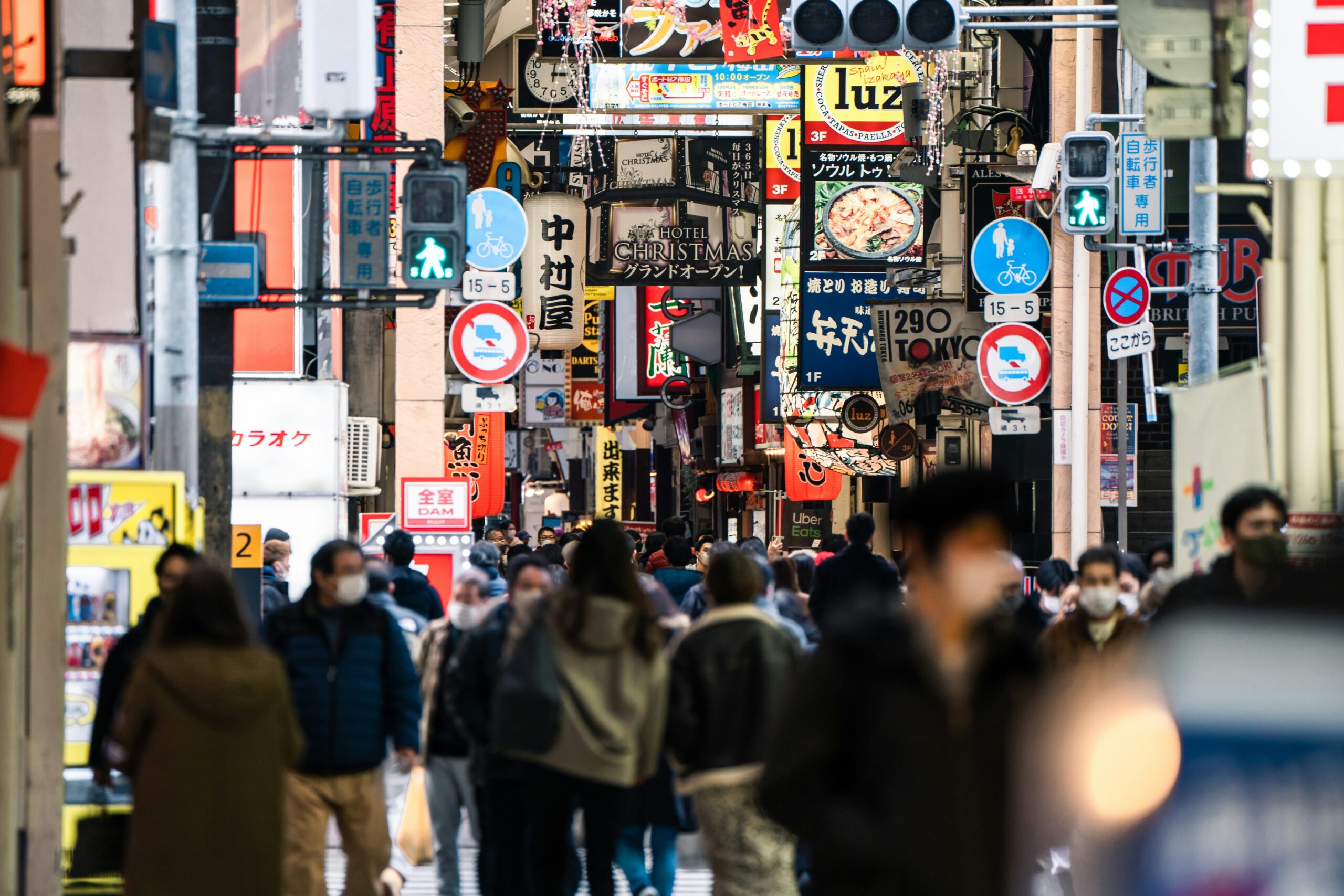
🌟 Creating Sustainable Urban Futures Together
The evolution toward integrated multi-modal transportation systems represents more than individual travel choices—it reflects collective visions for urban futures. Cities that successfully navigate this transition create more livable, equitable, sustainable, and economically vibrant communities.
This transformation requires coordination across multiple stakeholders: government investment in infrastructure, private sector innovation in services and technology, community advocacy for equitable access, and individual willingness to adapt behaviors. Progress happens through incremental improvements rather than revolutionary overnight change.
Supporting multi-modal transportation through policy choices, infrastructure investment prioritization, and personal transportation decisions contributes to broader urban sustainability goals. Even imperfect participation moves systems in positive directions, creating momentum for continued improvement.
The benefits and pitfalls of multi-modal transportation coexist in complex balance, varying significantly across individuals, communities, and contexts. Success lies not in declaring universal superiority but in thoughtfully navigating options, acknowledging limitations, and working collectively toward transportation systems that serve diverse needs effectively. By approaching multi-modal transportation with realistic expectations, personal honesty, and commitment to gradual improvement, we can harness its considerable benefits while managing its genuine challenges—creating transportation patterns that enhance both individual lives and collective urban futures.