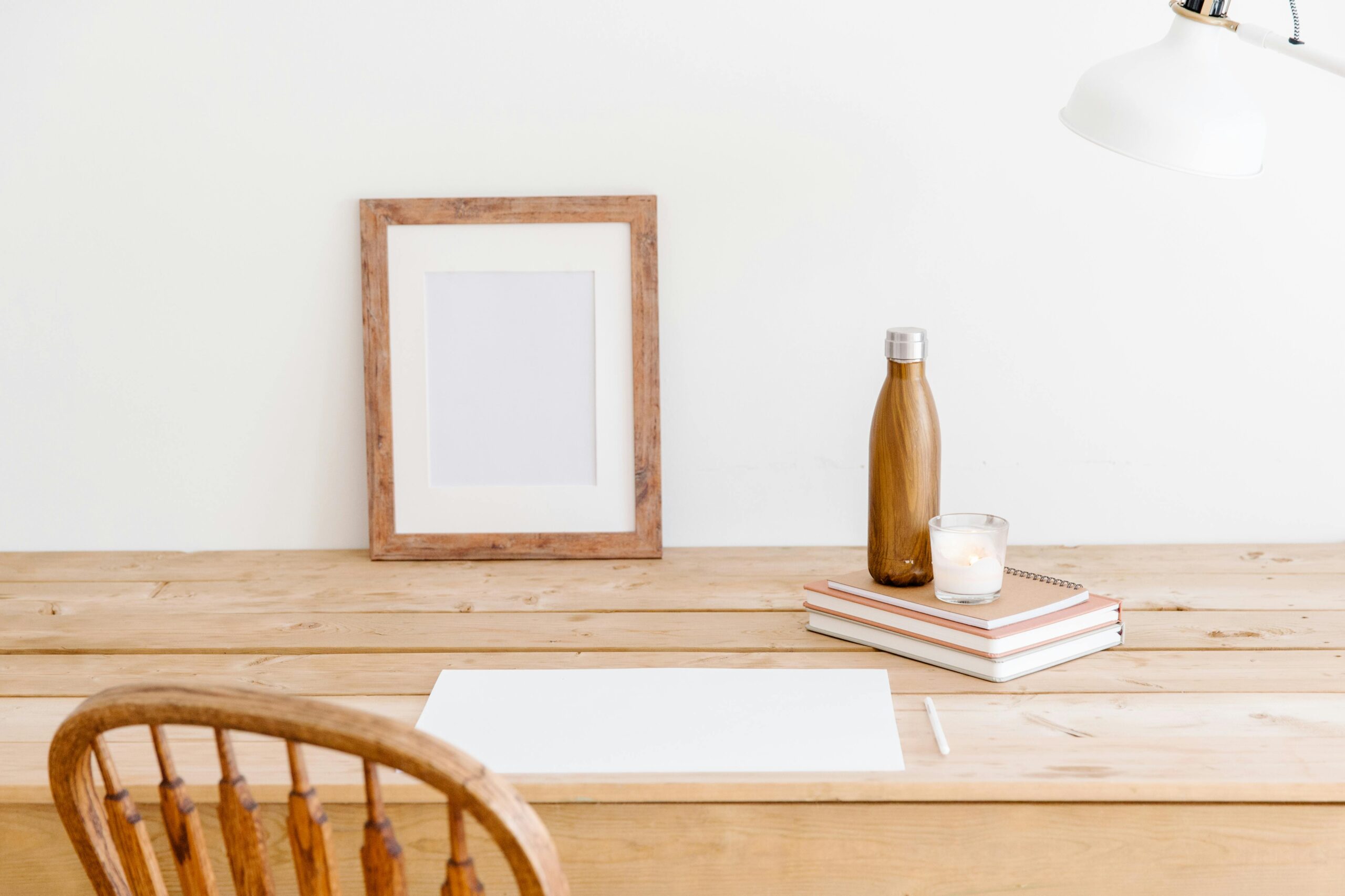
Creating calm spaces isn’t just about aesthetics—it’s about designing environments that respect how different brains process the world around them.

For millions of individuals living with sensory processing differences, everyday environments can feel overwhelming, chaotic, and even painful. What seems like normal background noise to one person might register as unbearable distress to another. Understanding how to create sensory-safe spaces isn’t just compassionate—it’s essential for inclusion, productivity, and well-being across schools, workplaces, homes, and public spaces.
🧠 Understanding Sensory Processing Differences
Sensory processing differences affect how the nervous system receives and responds to information from the senses. While often associated with autism spectrum disorder, sensory processing challenges impact people across various neurological profiles, including those with ADHD, anxiety disorders, PTSD, and other conditions.
The brain constantly filters sensory input—sights, sounds, textures, smells, tastes, and movement. For individuals with sensory processing differences, this filtering system works differently. They might experience hypersensitivity (over-responsiveness) or hyposensitivity (under-responsiveness) to sensory stimuli, and sometimes both depending on the sense involved.
Hypersensitive individuals may find fluorescent lighting physically painful, struggle with clothing textures that others barely notice, or become distressed by sounds like humming refrigerators or ticking clocks. Conversely, hyposensitive individuals might seek intense sensory experiences, have difficulty registering pain or temperature changes, or need more sensory input to feel regulated.
The Hidden Cost of Sensory Overload 💥
Sensory overload occurs when the brain receives more sensory information than it can effectively process. Imagine trying to have a conversation while someone plays loud music, shines a bright light in your face, and repeatedly taps your shoulder—all simultaneously. For many with sensory processing differences, typical environments create this exact experience.
The consequences extend far beyond momentary discomfort. Chronic sensory stress contributes to anxiety, meltdowns, shutdowns, physical exhaustion, and difficulty with concentration and learning. Children in overwhelming classrooms struggle to focus on lessons. Adults in sensory-chaotic workplaces experience decreased productivity and increased burnout. The cumulative effect impacts mental health, relationships, and quality of life.
Research shows that prolonged exposure to sensory stressors triggers the body’s fight-or-flight response, flooding the system with stress hormones. Over time, this constant state of hyperarousal damages both physical and mental health, making sensory-safe environments not merely preferable but medically beneficial.
✨ Core Elements of Sensory-Safe Spaces
Creating truly sensory-friendly environments requires attention to multiple sensory channels. Each element works together to reduce overload and support regulation.
Lighting That Soothes Rather Than Stresses
Fluorescent lighting ranks among the most common sensory triggers. The imperceptible flicker and harsh quality create headaches, eye strain, and anxiety for many individuals. Sensory-safe spaces prioritize natural lighting wherever possible, supplemented with warm LED bulbs that don’t flicker.
Dimmer switches provide crucial control, allowing individuals to adjust brightness to their comfort level. Layered lighting—using multiple sources at different levels rather than harsh overhead fixtures—creates softer, more manageable illumination. Lamps with fabric shades diffuse light gently, and blackout curtains offer options for those who need darkness to decompress.
Sound Management for Acoustic Comfort
Auditory processing differences make sound management essential. Open-plan offices, echoing hallways, and spaces with multiple simultaneous noise sources create acoustic chaos that prevents focus and triggers stress responses.
Effective sound strategies include acoustic panels or tiles that absorb rather than reflect noise, soft furnishings like rugs and curtains that dampen sound, and white noise machines that mask unpredictable sounds with consistent background noise. Designated quiet zones provide refuge from auditory stimulation, while noise-canceling headphones offer portable protection.
Thoughtful Color and Visual Design
Visual clutter overwhelms the processing system. Sensory-safe spaces embrace minimalism not as an aesthetic choice but as a functional necessity. Neutral, muted color palettes—soft blues, greens, grays, and earth tones—calm rather than stimulate the visual system.
Organized, uncluttered spaces with clear visual boundaries help the brain process the environment efficiently. This doesn’t mean sterile or boring; it means intentional. Each visual element serves a purpose rather than competing for attention.
Texture and Tactile Considerations
Touch sensitivity affects everything from clothing choices to furniture preferences. Sensory-friendly spaces offer variety: smooth surfaces for those who find textures aversive, textured items for those who seek tactile input. Soft seating options, fidget tools, and weighted items like lap pads or blankets provide regulatory support.
Temperature control matters significantly for tactile comfort. Variable temperature sensitivity means access to fans, heaters, and layered clothing options helps individuals regulate their comfort independently.
🏠 Implementing Sensory-Safe Designs at Home
Home should be the ultimate safe haven, yet many residences inadvertently create sensory stress. Transforming home environments doesn’t require complete renovation—strategic modifications make profound differences.
Creating a designated calm space or sensory room gives family members a retreat when overwhelmed. This might be a corner of a bedroom with soft lighting, comfortable seating, and calming items like weighted blankets or noise-canceling headphones. Even a closet converted into a cozy den can serve this purpose.
Kitchen and bathroom modifications address common triggers. Switching to unscented or naturally-scented products eliminates overwhelming artificial fragrances. Soft-close cabinets and drawers reduce jarring noises. Adjustable showerheads allow control over water pressure, accommodating both those who find typical pressure painful and those who need stronger sensory input.
Bedroom optimization prioritizes sleep quality. Blackout curtains, comfortable bedding in preferred textures, white noise machines or fans, and cool temperatures support restorative rest crucial for sensory regulation.
📚 Schools That Support All Learners
Educational environments profoundly impact students with sensory processing differences. Traditional classrooms—with fluorescent lighting, hard surfaces that echo, visual clutter, and constant auditory stimulation—create barriers to learning for sensory-sensitive students.
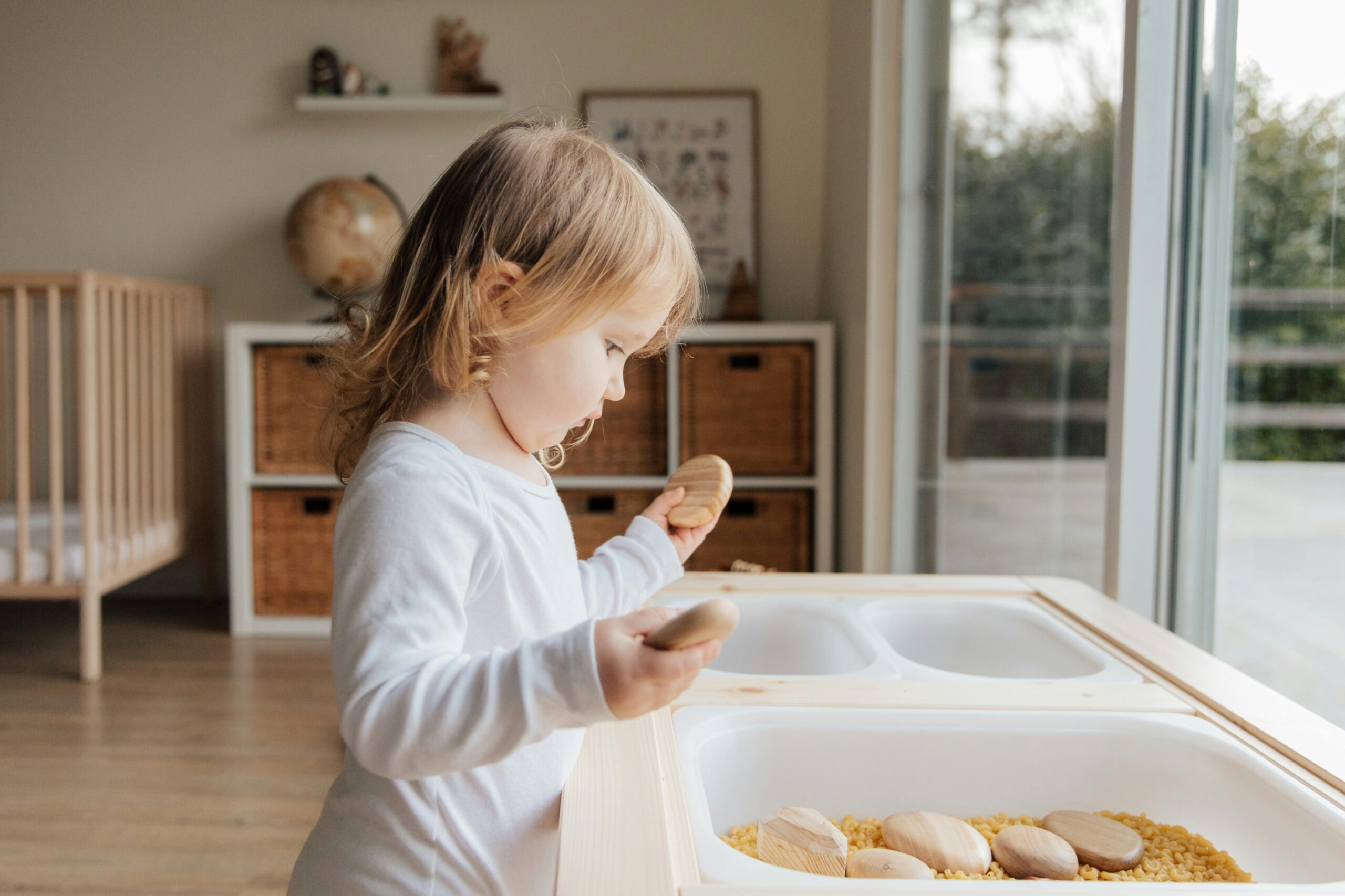
Progressive schools implement sensory supports throughout their environments. Flexible seating arrangements let students choose positions that support their regulation: wobble stools for those who need movement, bean bags for those seeking deep pressure, traditional desks for those who prefer structure.
Sensory break spaces give students opportunities to regulate before reaching overload. These might include quiet corners with dim lighting, movement areas with trampolines or yoga balls, or outdoor spaces for fresh air and nature connection.
Teachers trained in sensory awareness modify classroom practices: providing advance warning before fire drills, offering headphone options during noisy activities, allowing movement breaks, and using visual schedules that reduce anxiety about transitions.
💼 Workplaces That Work for Everyone
The modern workplace presents numerous sensory challenges, particularly in open-office environments. Employers who create sensory-conscious spaces don’t just support neurodivergent employees—they improve productivity and well-being for everyone.
Offering workspace choices acknowledges different sensory needs. Some employees thrive in collaborative spaces while others require private offices or cubicles that provide visual and auditory boundaries. Hot-desking policies that force daily location changes create particular stress for those who need environmental predictability.
Quiet zones or focus rooms give employees refuge from sensory stimulation. These spaces enforce silence or low-volume conversation, provide adjustable lighting, and limit visual distractions. Employers who implement these spaces often see improved concentration and reduced stress across their workforce.
Simple accommodations make significant impacts: allowing noise-canceling headphones, providing adjustable desk lighting, offering flexible schedules that avoid overwhelming commute times, and permitting remote work when possible. These modifications typically cost little while dramatically improving employee retention and satisfaction.
🛍️ Public Spaces and Community Inclusion
Truly inclusive communities consider sensory accessibility in public spaces. Museums, libraries, theaters, and shopping centers increasingly recognize that sensory-friendly modifications expand access for significant portions of their communities.
Sensory-friendly hours—designated times with reduced lighting, lower music volume, and fewer crowds—allow individuals with sensory sensitivities to participate in community activities. Movie theaters offering these screenings keep lights partially on and reduce volume while allowing movement and noise from the audience.
Retail environments can implement quiet corners or calm spaces where overwhelmed shoppers can regroup. Clear signage, predictable layouts, and staff training about sensory differences improve experiences for neurodivergent customers.
Parks and outdoor spaces naturally provide sensory benefits—fresh air, natural sounds, varied textures—making them ideal for sensory regulation. Communities that prioritize accessible green spaces support mental health across diverse populations.
🔧 Practical Tools and Technology
Various tools support sensory regulation in different environments. Weighted items—blankets, vests, lap pads—provide proprioceptive input that many find calming and organizing. Fidget tools offer tactile stimulation that helps some individuals focus and manage anxiety.
Noise-canceling headphones rank among the most valuable tools for managing auditory sensitivity. Quality options filter overwhelming sounds while still allowing important information through, making public spaces and travel more manageable.
Apps that support sensory regulation include white noise generators, meditation and breathing guides, and visual schedules that reduce anxiety about transitions. Smart home technology allows environmental control—adjusting lighting, temperature, and sound remotely to create optimal sensory conditions.
🌈 The Ripple Effect of Sensory-Safe Environments
When environments accommodate sensory differences, everyone benefits. The same modifications that prevent overload for hypersensitive individuals create more peaceful, focused, comfortable spaces for all. Reduced noise improves concentration. Thoughtful lighting decreases headaches and eye strain. Organized, uncluttered spaces enhance efficiency and reduce stress.
Children who grow up in sensory-considerate environments develop better self-regulation skills and experience less chronic stress. They learn what their bodies need and how to advocate for appropriate accommodations. This foundation supports lifelong well-being and self-understanding.
Adults with access to sensory-safe spaces experience improved mental health, greater productivity, and enhanced quality of life. They spend less energy managing sensory distress and more energy engaging in meaningful activities, relationships, and work.
Communities that prioritize sensory accessibility demonstrate genuine inclusion. They recognize neurodiversity as natural human variation deserving accommodation rather than requiring conformity to neurotypical standards.
🎯 Moving Toward Sensory-Conscious Design
Creating sensory-safe environments begins with awareness and education. Understanding how sensory processing differences affect daily functioning builds empathy and motivation for change. Consulting with occupational therapists, autistic advocates, and individuals with sensory processing challenges ensures modifications truly meet needs rather than assuming what might help.
Starting small makes the process manageable. Even minor modifications—adding a lamp instead of using overhead lighting, providing a quiet corner, offering headphones—create meaningful improvements. Gradually building on these changes develops increasingly supportive environments.
Involving those who will use the spaces in planning ensures accommodations actually address their needs. What calms one person might distress another, making individualization crucial. Flexibility and choice empower individuals to create their optimal sensory environments.
Universal design principles that consider diverse needs from the start, rather than retrofitting accommodations later, create spaces that work for everyone. Architects, interior designers, educators, and employers increasingly recognize sensory considerations as fundamental design elements rather than special accommodations.
🌟 Embracing Neurological Diversity
The shift toward sensory-safe environments reflects broader cultural movements toward neurodiversity acceptance and disability rights. Rather than expecting individuals to constantly adapt to environments designed without considering their needs, society increasingly recognizes the responsibility to create inclusive spaces.
This paradigm shift acknowledges that the “problem” isn’t sensory sensitivity itself but environments that fail to accommodate natural neurological variation. Just as we provide ramps for wheelchair users rather than expecting them to manage stairs, we can design spaces that don’t overwhelm sensory systems rather than expecting constant adaptation from neurodivergent individuals.
The growing availability of sensory-friendly options—from museum hours to airport calm rooms to workplace accommodations—demonstrates increasing awareness. Yet significant work remains. Many public spaces, schools, and workplaces still operate without considering sensory impact, unnecessarily excluding substantial portions of their communities.
Advocacy and education continue driving progress. When individuals share their experiences and needs, when allies amplify these voices, and when decision-makers prioritize inclusion, sensory-safe environments become standard rather than exceptional. Every modification, every accommodation, every moment of consideration contributes to a more accessible world.
Creating calm through sensory-safe environments represents practical compassion—recognizing that small changes in physical spaces create profound changes in lives. Whether implemented at home, school, work, or in public spaces, sensory-conscious design honors neurological diversity and affirms that everyone deserves environments where they can function, thrive, and feel at peace. 🌿