
Creating safer sensory environments requires active participation from users whose feedback shapes protective measures and enriches experiential quality across diverse settings and applications.

🎯 The Critical Connection Between Safety and Sensory Feedback
In today’s increasingly complex environments—whether digital, physical, or hybrid—the importance of safeguarding our senses has become paramount. Our sensory experiences define how we interact with the world, influencing everything from workplace productivity to entertainment consumption. When safety measures fail to account for sensory overload, discomfort, or potential harm, the consequences can range from mild irritation to serious health implications.
User feedback has emerged as the cornerstone of effective safety enhancement strategies. Unlike traditional top-down approaches to safety regulation, incorporating direct input from those experiencing sensory stimuli creates a dynamic, responsive system that adapts to real-world conditions. This participatory approach acknowledges that sensory perception varies significantly among individuals based on age, neurodiversity, cultural background, and personal sensitivity thresholds.
Organizations across industries are discovering that the most robust safety frameworks emerge from continuous dialogue with users. This feedback loop doesn’t simply identify problems after they occur—it anticipates potential issues and enables proactive adjustments that optimize the sensory experience while maintaining rigorous safety standards.
🔍 Understanding Sensory Vulnerabilities in Modern Environments
Before implementing effective safeguards, we must recognize the various ways our senses can be compromised or overwhelmed in contemporary settings. Visual fatigue from prolonged screen exposure, auditory damage from excessive noise levels, tactile discomfort from poorly designed interfaces, and even olfactory stress from chemical environments all represent genuine safety concerns.
The digital realm presents unique challenges. Blue light emission from devices, rapidly changing visual stimuli in applications and games, and notification sounds designed to capture attention can collectively create sensory stress. Physical environments pose their own risks—industrial settings with machinery noise, public spaces with unpredictable lighting, and commercial venues with competing sensory inputs all require careful safety consideration.
Neurodivergent individuals often experience these sensory inputs with heightened intensity. What might be merely uncomfortable for some can be genuinely distressing or even debilitating for others. This reality underscores why standardized safety measures, without user feedback incorporation, frequently fall short of protecting everyone adequately.
Identifying Key Sensory Risk Factors
Several factors consistently emerge as primary concerns when evaluating sensory safety:
- Intensity levels: Volume, brightness, and other stimulus strengths that exceed comfortable or safe thresholds
- Duration of exposure: Extended periods without adequate breaks or variation in sensory input
- Frequency patterns: Rapid changes, flashing effects, or repetitive elements that may trigger adverse reactions
- Lack of control: Inability to adjust, pause, or opt-out of sensory experiences
- Combined stimuli: Multiple sensory channels activated simultaneously, creating overwhelming complexity
- Unexpected elements: Sudden sounds, movements, or changes that startle or disorient users
💡 Implementing User-Centered Feedback Systems
Collecting meaningful user feedback requires thoughtful design of feedback mechanisms themselves. The process must be accessible, non-intrusive, and genuinely responsive to input received. Organizations committed to sensory safety are developing multi-channel feedback systems that accommodate different communication preferences and accessibility needs.
Real-time feedback tools integrated directly into digital experiences allow users to report issues immediately when they occur. This temporal proximity between experience and feedback ensures accuracy and provides contextual data that helps developers understand specific circumstances surrounding sensory concerns. Post-experience surveys, while valuable, often lack this immediacy and specificity.
Anonymous reporting options encourage honest feedback, particularly regarding issues users might hesitate to raise openly. Creating psychological safety around feedback submission ensures organizations receive comprehensive information rather than just complaints from the most vocal users.
Designing Effective Feedback Channels
Successful feedback systems share several characteristics that maximize participation and data quality. They minimize the burden on users by keeping feedback processes quick and straightforward. Multiple format options—text, voice, visual, or numeric ratings—accommodate different communication styles and abilities.
Structured feedback templates with specific prompts help users articulate sensory concerns clearly. Rather than asking “How was your experience?” effective systems might ask “Did any visual elements cause discomfort?” or “Were you able to adjust audio levels to your preference?” These targeted questions generate actionable data.
Acknowledging and responding to feedback closes the loop, demonstrating that user input generates tangible changes. This responsiveness builds trust and encourages ongoing participation in safety enhancement efforts.
🛡️ Translating Feedback into Protective Measures
The true value of user feedback materializes when organizations systematically analyze input and implement corresponding safety enhancements. This translation process requires dedicated resources, cross-functional collaboration, and commitment to iterative improvement.
Data aggregation reveals patterns that individual reports might not illuminate. When multiple users report similar sensory issues—such as eye strain from specific interface elements or auditory fatigue from notification frequencies—these patterns signal priorities for modification. Quantitative metrics combined with qualitative descriptions provide comprehensive understanding of both what is problematic and why.
Priority frameworks help organizations triage feedback effectively. Issues affecting accessibility or causing potential harm receive immediate attention, while preference-based feedback informs longer-term enhancement roadmaps. This structured approach ensures resources address the most critical safety concerns first.
Creating Adaptive Safety Controls
Modern approaches to sensory safety increasingly emphasize user control and customization. Rather than imposing uniform restrictions that may be overly limiting for some users while insufficient for others, adaptive systems allow individuals to configure their sensory experience according to personal needs.
Comprehensive settings menus enable users to adjust brightness, contrast, color schemes, audio levels, haptic feedback intensity, and animation speeds. Preset profiles for different sensitivity levels—including options specifically designed for photosensitivity, auditory sensitivity, or vestibular disorders—simplify customization for those uncertain about specific adjustments.
Warning systems that alert users to potentially challenging sensory content before exposure allows informed consent. Content descriptors indicating flashing lights, sudden loud sounds, or other elements that commonly trigger adverse reactions empower users to prepare appropriately or choose alternative experiences.
📊 Measuring Impact and Continuous Improvement
Implementing safety measures represents only part of the equation; measuring their effectiveness ensures efforts actually improve sensory experiences. Organizations need robust assessment frameworks that evaluate both safety outcomes and experience quality.
Quantitative metrics tracking incident reduction—such as decreased reports of eye strain, headaches, or other sensory-related discomfort—provide objective evidence of improvement. Comparing these metrics before and after implementing feedback-driven changes demonstrates the tangible value of user participation in safety enhancement.
Satisfaction surveys specifically addressing sensory aspects of experiences reveal whether users feel adequately protected and comfortable. Questions exploring whether users feel they have sufficient control over sensory inputs, whether they’ve experienced unexpected discomfort, and whether safety features meet their needs generate critical qualitative data.
Benchmarking and Industry Standards
As awareness of sensory safety grows, industry benchmarks and standards are emerging to guide organizations. Compliance with accessibility guidelines like WCAG (Web Content Accessibility Guidelines) provides foundational protection for digital experiences. Going beyond minimum compliance, however, demonstrates commitment to optimal sensory safety.
Leading organizations share their approaches and learnings, creating knowledge repositories that benefit entire industries. Collaborative initiatives develop best practices informed by aggregated feedback across multiple organizations, accelerating collective progress toward safer sensory environments.
| Safety Measure Type | Primary Benefit | User Control Level |
|---|---|---|
| Adjustable intensity controls | Personalized comfort thresholds | High |
| Content warnings | Informed consent and preparation | Medium |
| Preset sensitivity profiles | Quick configuration for common needs | High |
| Automatic breaks/reminders | Prevention of exposure fatigue | Medium |
| Alternative presentation modes | Multiple ways to access content | High |
🌐 Domain-Specific Applications of Sensory Safety
Different contexts present unique sensory safety challenges requiring tailored approaches informed by sector-specific user feedback.
Digital Entertainment and Gaming
Video games and interactive media create intense sensory experiences by design. Feedback from gaming communities has driven significant safety improvements, including photosensitivity modes that reduce flashing effects, motion sickness settings that adjust field-of-view and camera movements, and audio mixing options that separate different sound types for individual adjustment.
Trigger warnings for specific content types, pause-anywhere functionality, and difficulty settings that affect not just gameplay challenge but sensory intensity demonstrate how user input shapes more inclusive entertainment experiences.
Workplace Environments
Professional settings increasingly recognize that sensory comfort directly impacts productivity, well-being, and safety. Employee feedback regarding lighting, noise levels, temperature, and spatial design informs workplace modifications that benefit entire teams.
Quiet zones for focused work, adjustable lighting systems, noise-cancelling solutions, and flexible workspace arrangements that allow individuals to select environments matching their sensory preferences all emerge from listening to worker experiences and needs.
Educational Institutions
Learning environments affect diverse populations with varying sensory processing profiles. Student and educator feedback highlights the importance of classroom acoustics, visual presentation methods, break scheduling, and multi-modal teaching approaches that engage different senses without overwhelming any single channel.
Sensory rooms, flexible seating options, and technology accommodations in educational settings reflect direct input from students, particularly those with sensory processing differences who benefit most from thoughtful environmental design.
🚀 Emerging Technologies Enhancing Sensory Safety
Technological advancement offers new opportunities for sophisticated sensory protection informed by real-time user feedback. Artificial intelligence and machine learning systems can analyze feedback patterns and automatically suggest or implement protective adjustments.
Biometric monitoring integrated with user consent could detect physiological stress indicators—elevated heart rate, eye strain markers, or tension patterns—and proactively modify sensory outputs before users consciously register discomfort. These systems would learn individual tolerance patterns, creating increasingly personalized safety profiles.
Augmented and virtual reality technologies incorporate sophisticated tracking that could monitor user reactions to sensory stimuli, adjusting intensity dynamically based on real-time response. As these immersive technologies become more prevalent, such adaptive safety systems will be essential.
The Role of Community-Driven Safety Databases
Crowdsourced safety information allows users to share experiences and warnings about sensory challenges in specific content, venues, or products. These community resources aggregate diverse perspectives, helping individuals make informed decisions about potential exposures.
Platforms dedicated to accessibility and sensory information rely on user contributions to maintain current, comprehensive databases that benefit the broader community. This collaborative approach to safety information democratizes protective knowledge.
🎨 Balancing Creative Expression and Sensory Protection
An important consideration in sensory safety discussions involves preserving artistic and creative freedom while implementing protective measures. User feedback helps navigate this balance by identifying which elements pose genuine safety concerns versus which simply reflect personal preferences.
Many creators welcome guidance that helps them reach broader audiences without compromising artistic vision. Options that allow intense sensory experiences for those who desire them while providing alternatives or modifications for those who need protection represent win-win solutions.
Transparent communication about sensory intensity and available accommodations respects both creator intent and user needs. When audiences understand what to expect and how to customize their experience, they can engage more fully with creative works.
🔮 Future Directions in User-Informed Sensory Safety
The evolution of sensory safety practices will increasingly center user experience and feedback. Several trends are shaping this future landscape.
Personalization will become more sophisticated, with systems learning individual sensory profiles over time and automatically applying appropriate protections across different contexts. Cross-platform consistency will mean users won’t need to repeatedly configure safety settings as they move between applications and environments.
Regulatory frameworks will likely evolve to mandate certain sensory protections, particularly as awareness grows regarding potential harms from unmitigated sensory exposure. User feedback will inform these regulations, ensuring they address real-world concerns rather than theoretical risks.
Greater collaboration between accessibility advocates, designers, technologists, and diverse user communities will generate more comprehensive safety solutions. Recognizing sensory safety as a universal design principle benefiting everyone—not just those with identified sensitivities—will drive mainstream adoption of protective practices.
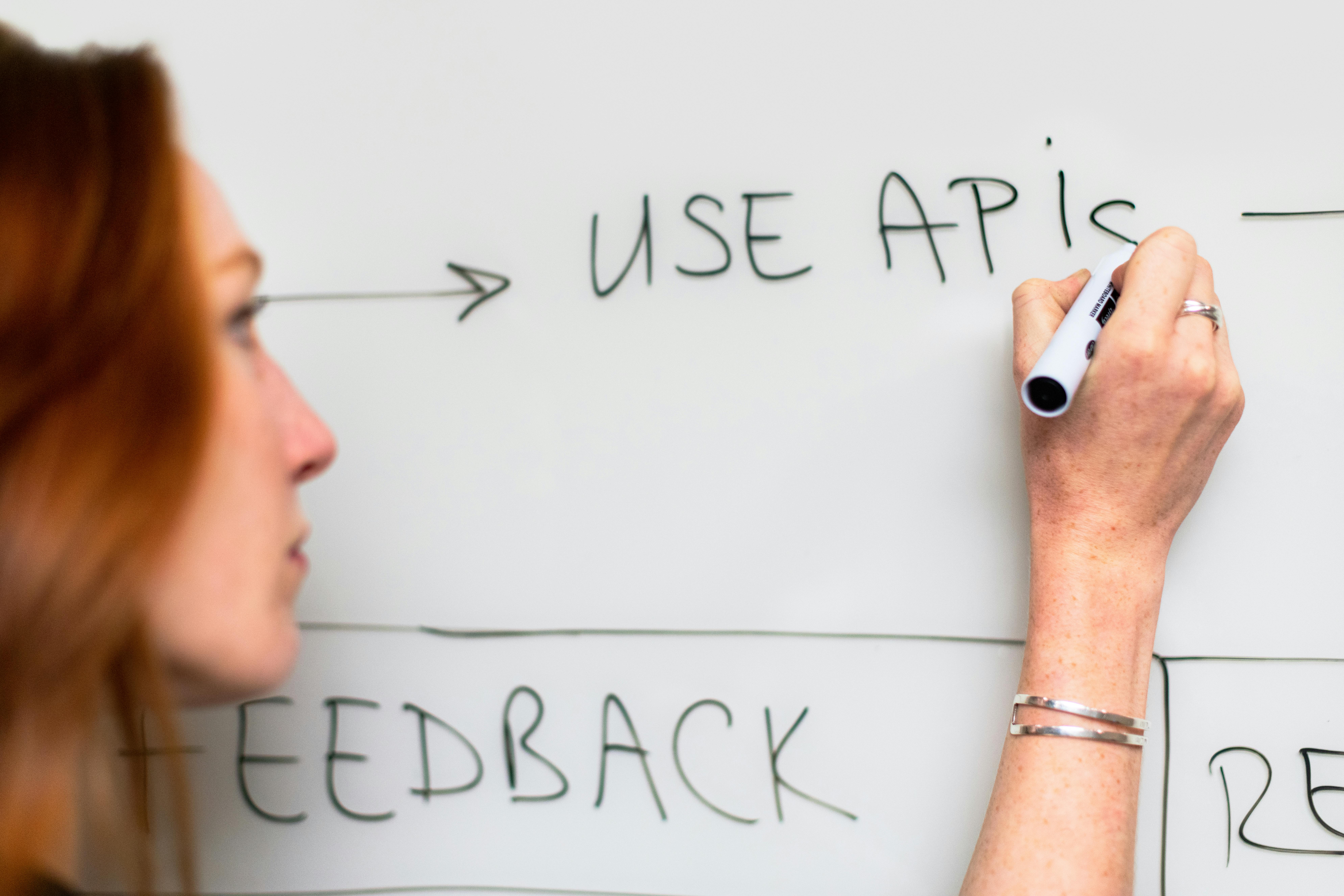
✨ Empowering Users as Safety Partners
The most profound shift in sensory safety involves repositioning users from passive recipients of protective measures to active partners in creating safer environments. This partnership model recognizes users as experts in their own experiences, with valuable insights that professionals cannot generate independently.
Education initiatives that help users understand sensory safety concepts, recognize their own tolerance patterns, and articulate feedback effectively strengthen this partnership. When users comprehend why certain protections exist and how their input drives improvements, they become more engaged participants.
Organizations that genuinely value user feedback—demonstrating responsiveness, transparency about how input influences decisions, and appreciation for participation—cultivate communities invested in collective safety. This collaborative approach generates better outcomes than any top-down mandate could achieve.
Ultimately, safeguarding our senses requires ongoing dialogue between those creating experiences and those consuming them. User feedback transforms safety from a static checklist into a dynamic, responsive system that evolves with changing technologies, emerging awareness, and diverse human needs. By centering user voices in safety enhancement efforts, we create environments where everyone can engage fully, comfortably, and safely with the rich sensory experiences that define modern life. The path forward lies not in choosing between compelling experiences and protective measures, but in leveraging user wisdom to achieve both simultaneously.