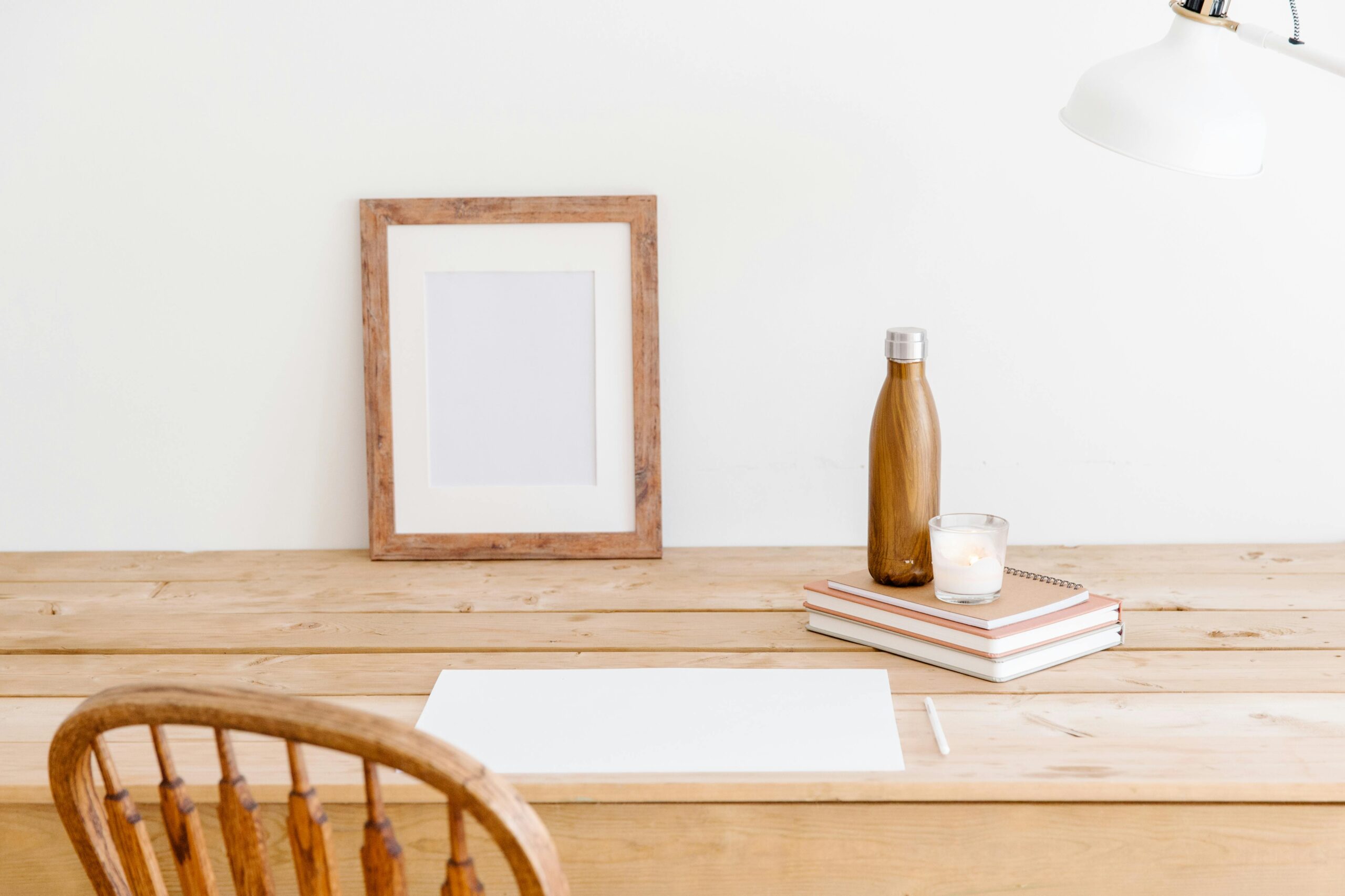
In our fast-paced world, creating a personal sanctuary where tranquility reigns has become essential for maintaining mental and emotional well-being.

The art of designing calm and serene retreat spaces goes far beyond simply choosing soothing colors or adding comfortable furniture. It’s about understanding the profound connection between our environment and our inner state, crafting spaces that actively support relaxation, reflection, and restoration. Whether you’re transforming an entire room, a quiet corner, or an outdoor nook, thoughtful design choices can create an oasis of peace that serves as your personal escape from daily stresses.
The concept of retreat spaces has evolved significantly over recent years. What once might have been considered a luxury is now recognized as a necessity for holistic health. These carefully curated environments provide us with a physical location to decompress, meditate, practice mindfulness, or simply exist without the constant demands of modern life pressing upon us.
🌿 Understanding the Psychology of Tranquil Spaces
Before diving into the practical aspects of design, it’s crucial to understand why certain spaces make us feel calm while others create anxiety or restlessness. Environmental psychology has demonstrated that our surroundings significantly impact our mood, stress levels, and overall mental health. Tranquil spaces work by engaging our senses in ways that signal safety, comfort, and peace to our nervous system.
Natural elements play a particularly powerful role in this process. Biophilic design—the practice of incorporating nature into built environments—has been shown to reduce stress hormones, lower blood pressure, and improve cognitive function. This explains why views of nature, natural materials, and organic shapes consistently create feelings of tranquility across different cultures and individuals.
Color psychology also influences how we experience a space. Cool tones like blues and greens tend to have calming effects, while warm neutrals create cozy, secure feelings. However, the key isn’t simply choosing “calm” colors but understanding how different hues interact with natural light, space proportions, and your personal associations with certain shades.
Establishing Your Retreat Space Foundation
The first step in creating your tranquil retreat is selecting the right location. This doesn’t necessarily mean you need a large area—some of the most effective retreat spaces are surprisingly compact. What matters more is finding a spot that can be dedicated primarily to relaxation and restoration, ideally somewhere with natural light and minimal through-traffic.
Consider the sensory experience of potential locations throughout different times of day. Morning light streaming through an east-facing window creates a very different atmosphere than soft afternoon light or the intimate feeling of evening. Think about ambient sounds as well—is the space naturally quiet, or will you need to incorporate sound-masking elements?
Once you’ve identified your location, consider the space’s boundaries. Even within an open-plan home, you can create psychological boundaries through furniture arrangement, lighting zones, or subtle dividers like plants or screens. These boundaries help signal to your brain that you’re entering a different type of space with different expectations and purposes.
✨ The Role of Light in Creating Serenity
Lighting might be the single most powerful design element in crafting tranquility. Natural light should be maximized whenever possible, but with thoughtful control. Harsh, direct sunlight can be overwhelming, so consider diffusing options like sheer curtains, translucent blinds, or strategically placed plants that filter light while maintaining brightness.
Layered lighting gives you flexibility to adjust the atmosphere according to your needs and the time of day. Ambient lighting provides overall illumination, task lighting supports specific activities like reading, and accent lighting creates visual interest and warmth. Dimmers are invaluable tools, allowing you to fine-tune brightness levels to match your desired mood.
The color temperature of artificial light dramatically affects how calm a space feels. Warm white light (2700-3000K) creates cozy, intimate atmospheres perfect for evening relaxation, while cooler daylight temperatures (5000-6500K) work well for morning meditation or yoga spaces. Smart bulbs offer the flexibility to adjust both brightness and temperature throughout the day, supporting your natural circadian rhythms.
Selecting Materials and Textures That Soothe
The materials we surround ourselves with communicate volumes to our senses, often on a subconscious level. Natural materials—wood, stone, linen, cotton, wool, bamboo—tend to create more calming environments than synthetic alternatives. This isn’t about aesthetics alone; these materials often have subtle textural variations, natural imperfections, and sensory qualities that feel inherently grounding.
Texture variety adds depth and interest without creating visual chaos. Smooth surfaces like polished wood or stone provide visual calm, while softer textures like woven fabrics, plush cushions, or natural fiber rugs invite touch and physical comfort. The key is balance—too much smoothness can feel sterile, while excessive texture can become overwhelming.
Temperature also matters. Materials that feel warm to the touch—wood flooring, wool throws, cork surfaces—create psychological warmth and comfort. If you have cool materials like tile or concrete that you love aesthetically, balance them with warm textiles and layered rugs to maintain the cozy factor essential for true relaxation.
🪴 Incorporating Nature and Living Elements
Bringing nature indoors transforms the energy of a retreat space. Plants do more than beautify—they improve air quality, add gentle movement, introduce calming green tones, and create a living connection to the natural world. For retreat spaces, consider low-maintenance varieties that thrive in your specific light conditions: pothos, snake plants, peace lilies, or ZZ plants for lower light; succulents or herbs for brighter spots.
The arrangement of plants matters as much as their selection. Grouping plants at varying heights creates visual interest and a more natural, organic feeling. Consider placing larger floor plants in corners to soften architectural edges, medium plants on surfaces at eye level, and trailing varieties on shelves or hanging planters to add movement and dimension.
Water features provide another powerful natural element. The sound of gently flowing water masks disruptive noises while creating a peaceful ambient soundscape. Small tabletop fountains work beautifully in compact spaces, while larger installations can become focal points in more spacious retreats. Even recorded water sounds played through quality speakers can provide similar benefits.
Furniture Choices That Support Comfort and Function
Furniture in retreat spaces should prioritize comfort without sacrificing support. A chair that looks inviting but causes discomfort after fifteen minutes undermines the space’s entire purpose. Test furniture thoroughly before committing, spending time in positions you’ll actually use—curled up with a book, sitting in meditation, or simply relaxing.
Scale and proportion significantly impact how calm a space feels. Oversized furniture in a small room creates claustrophobia, while undersized pieces in a large space can feel untethered and uncomfortable. Your retreat furniture should feel proportional to the room while leaving adequate open space for movement and visual breathing room.
Multi-functional pieces maximize utility in smaller retreat spaces. An ottoman that provides seating, storage, and a footrest; a daybed that serves as both seating and a spot for restorative lying down; or a meditation cushion that doubles as a side table. The goal is having what you need without creating clutter or compromising the serene atmosphere.
🎨 Color Palettes for Peace and Restoration
While personal preference should always guide color choices, certain palettes consistently support tranquility. Monochromatic schemes in soft neutrals—creams, taupes, soft grays—create visual cohesion and calm. These provide an excellent foundation that you can accent with touches of color through textiles, art, or plants.
Nature-inspired palettes bring the calming qualities of the outdoors inside. Soft sage greens, dusty blues, warm terracottas, and sandy beiges all evoke natural landscapes. These colors work particularly well when varied in tone and intensity throughout the space, creating depth while maintaining harmony.
Consider the 60-30-10 rule as a starting framework: 60% dominant color (usually walls and large furniture), 30% secondary color (accent furniture, curtains, rugs), and 10% accent color (accessories, artwork, pillows). This creates visual balance and prevents any single color from overwhelming the senses.
Minimizing Visual Clutter and Distractions
Visual clutter directly opposes tranquility, fragmenting attention and creating subtle stress. This doesn’t mean your retreat space must be spartan or impersonal, but every item should serve a purpose—functional, aesthetic, or emotional. Apply the principle of essentialism: keep what truly enhances your experience and release what merely occupies space.
Strategic storage keeps necessary items accessible without creating visual noise. Closed storage—cabinets, boxes, baskets—hides functional objects you need but don’t need to see. Open storage works for a carefully curated selection of beautiful or meaningful items that enhance rather than detract from serenity.
Technology presents a particular challenge in retreat spaces. While we often need devices for meditation apps, calming music, or white noise, visible technology can undermine the peaceful atmosphere. Consider solutions like charging stations hidden in drawers, minimalist speaker designs that blend with décor, or designated tech-free periods when devices are completely removed from the space.
🧘 Creating Zones for Different Restorative Activities
Even within a single retreat space, you might engage in various calming activities—meditation, reading, gentle stretching, journaling, or simply resting. If space allows, creating subtle zones for different practices enhances functionality without fragmenting the overall sense of calm.
A meditation corner might include a cushion or bench, a small altar or shelf for meaningful objects, and perhaps a candle or incense holder. Position this in the quietest part of your retreat, ideally facing a window or calming view. A reading nook needs good task lighting, comfortable seating with proper back support, and a small table for books and tea.
Zones don’t require walls or dramatic separation—simply changing the flooring texture (adding a rug to define a meditation area), adjusting lighting (a reading lamp creates a distinct zone), or varying ceiling height (even perceptually, using hanging elements) effectively delineates different areas while maintaining visual flow.
Scent and Air Quality Considerations
Our sense of smell powerfully influences mood and memory, making scent a valuable but often overlooked design element. Natural fragrances from essential oils, incense, or candles can enhance tranquility—lavender for relaxation, eucalyptus for mental clarity, sandalwood for grounding, or citrus for gentle uplift.
However, scent should be subtle and optional. Overpowering fragrances or synthetic air fresheners can trigger headaches or allergic reactions, creating the opposite of relaxation. Consider natural options like fresh flowers, herb bundles, or reed diffusers with pure essential oils. Always ensure proper ventilation so scents enhance rather than overwhelm.
Air quality impacts how we feel in profound ways. Poor air circulation, excess humidity, or stale air undermines even the most beautifully designed space. Indoor plants help, but also ensure adequate ventilation, consider an air purifier if needed, and maintain comfortable temperature and humidity levels for your climate.
🎵 Soundscaping Your Tranquil Environment
Sound design receives less attention than visual elements but equally impacts how peaceful a space feels. Start by minimizing disruptive sounds—traffic noise, household appliances, adjacent rooms. Soft furnishings (curtains, rugs, upholstered furniture) absorb sound, while strategic placement of bookcases or screens can block noise transmission.
Intentional sound additions can mask remaining background noise while enhancing tranquility. Nature sounds—rainfall, ocean waves, forest ambience—work universally well. Gentle instrumental music, singing bowls, or wind chimes provide alternatives. The key is keeping volume low enough that sound becomes ambient rather than demanding attention.
Silence itself is valuable. Ensure your retreat space can offer true quiet when desired, free from electronic hums, ticking clocks, or HVAC noise. This might require small investments like replacing loud appliances, adding weatherstripping to windows, or using white noise machines to create a baseline of calm, neutral sound.
Personalizing Your Space with Meaningful Elements
While design principles provide guidance, your retreat space should ultimately reflect what brings you personal peace. Incorporate meaningful objects that connect you to positive memories, important relationships, or values—family photos in simple frames, travel souvenirs, inherited items, or handmade pieces from loved ones.
Art selection significantly impacts atmosphere. Abstract pieces in calming colors, nature photography, or traditional mandala designs support tranquility. Avoid imagery that’s overly stimulating, emotionally heavy, or cluttered. The art should invite contemplation or provide a restful focal point rather than demanding intense engagement.
Personal doesn’t mean cluttered. Display meaningful items thoughtfully, giving each space to be appreciated. Rotate items seasonally if you have many special pieces, keeping displays fresh while preventing the space from feeling overcrowded. Remember that negative space—open, undecorated areas—is itself a design element that contributes to tranquility.
💫 Bringing It All Together: Cohesive Design Flow
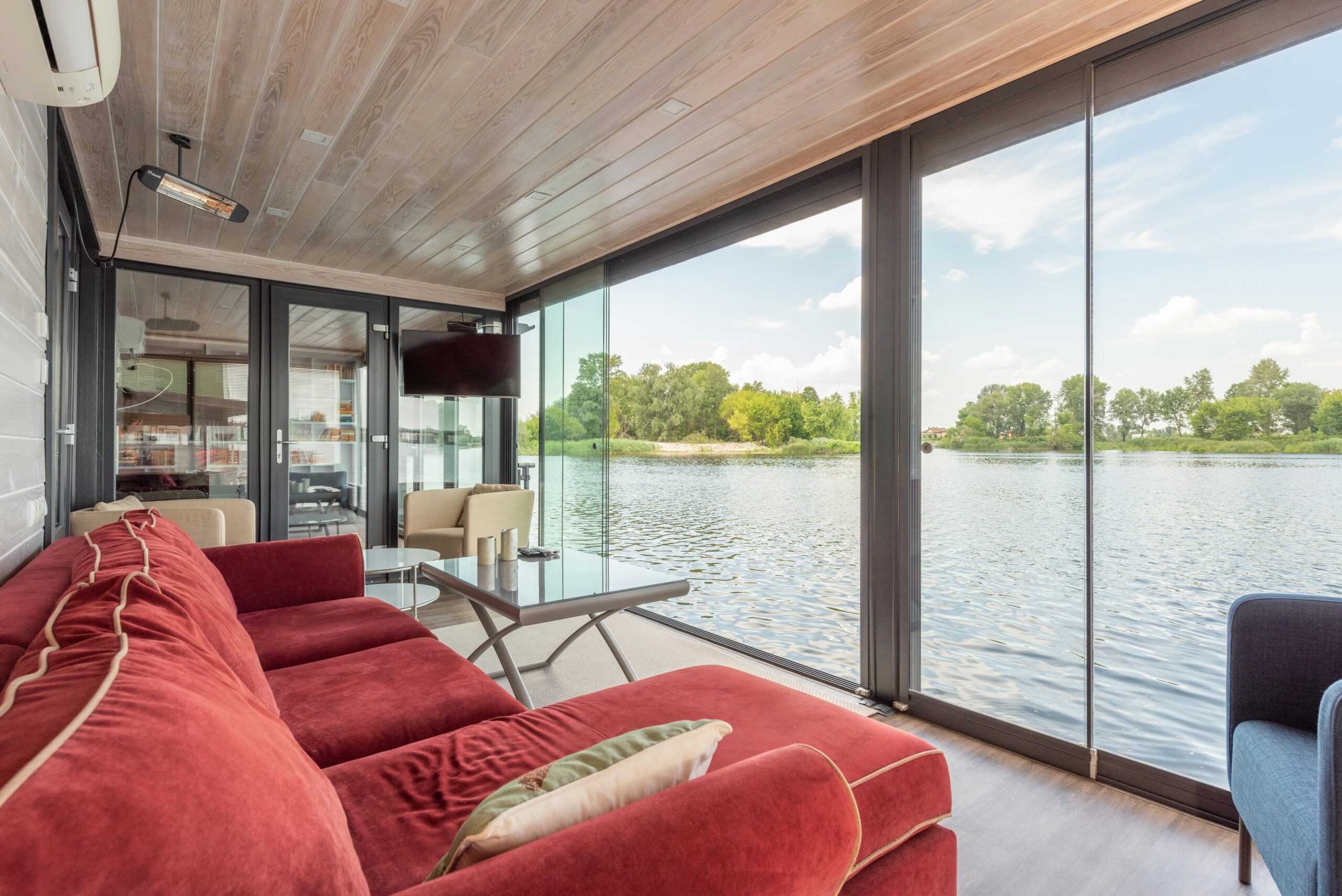
All the individual elements of your retreat space should work harmoniously, creating an experience greater than the sum of its parts. This cohesion comes from thoughtful repetition—repeating certain colors in different textures, echoing shapes across various objects, or maintaining consistent material choices throughout the space.
Transition matters as much as the retreat space itself. How you enter this special area sets the tone for the experience. Consider creating a small threshold ritual—removing shoes, lighting a candle, or taking three deep breaths—that signals to your mind and body that you’re entering a different mode.
Finally, remember that your retreat space is a living environment that should evolve with your needs. What brings tranquility changes with seasons, life circumstances, and personal growth. Regularly assess whether your space still serves its purpose, making adjustments as needed. The most successful retreat spaces balance intentional design with flexibility, creating a foundation of calm that adapts to your continuing journey toward peace and restoration.
Creating a truly tranquil retreat space is both an art and a science, blending design principles with personal intuition. By thoughtfully considering each element—from the quality of light to the texture of materials, from the colors on your walls to the sounds that fill the air—you craft an environment that actively supports your wellbeing. In our increasingly demanding world, having a dedicated space for restoration isn’t indulgent; it’s essential. Your retreat becomes a physical reminder that peace is possible, tranquility is within reach, and you deserve a sanctuary designed specifically for your renewal. ✨