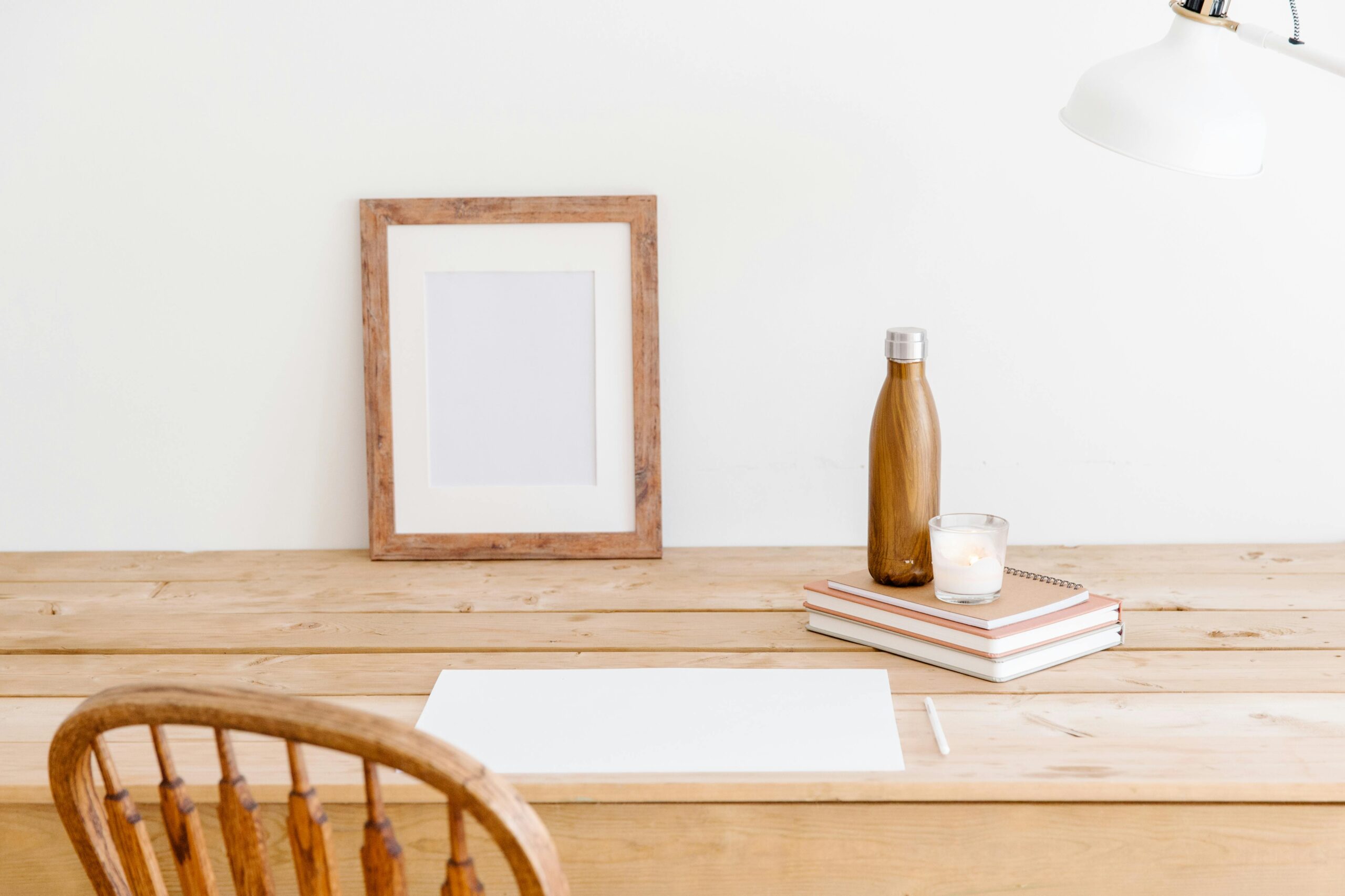
Multi-use rooms have become essential in modern homes, but without proper planning, they can quickly become chaotic spaces that drain your energy and focus.

As our homes continue to serve multiple purposes—from remote work headquarters to fitness studios, guest bedrooms to play areas—the challenge of maintaining calm, functional spaces has never been more critical. The key to success lies not just in clever furniture arrangements, but in understanding how our environments affect our cognitive load and emotional well-being.
Overstimulation in multi-functional spaces occurs when too many visual cues, colors, textures, and purposes compete for our attention simultaneously. This sensory overload can lead to decreased productivity, increased stress levels, and a general feeling of unease in what should be our most comfortable environments. By implementing strategic design principles and organizational systems, you can transform overwhelming multi-use rooms into harmonious spaces that serve their various purposes without sacrificing mental clarity.
🧠 Understanding Sensory Overload in Shared Spaces
Before diving into solutions, it’s important to recognize what causes overstimulation in multi-purpose rooms. Our brains are constantly processing environmental information, even when we’re not consciously aware of it. When a single room contains work equipment, exercise gear, entertainment systems, and storage for multiple activities, our minds struggle to shift between different mental states.
Visual clutter creates what psychologists call “cognitive load”—the mental effort required to process information. In a room serving multiple functions, this load multiplies as your brain tries to categorize and respond to competing stimuli. A desk covered with work papers next to children’s toys beside workout equipment sends conflicting signals about what activity should be happening in that space.
Acoustic challenges also contribute significantly to overstimulation. Echo from hard surfaces, overlapping sounds from different activities, and lack of sound barriers can make multi-use rooms feel chaotic even when visually organized. Understanding these triggers helps you address the root causes rather than just treating symptoms.
🎨 Color Psychology and Visual Harmony
Color plays a tremendous role in how stimulating or calming a space feels. In multi-use rooms, selecting a neutral base palette gives you flexibility while preventing visual overwhelm. Soft grays, warm whites, beiges, and muted earth tones create a peaceful backdrop that doesn’t compete with the various activities occurring in the space.
This doesn’t mean your room must be boring or sterile. Instead, use your neutral base as a canvas and introduce color through easily changeable elements like pillows, throws, artwork, or storage containers. This approach allows you to adjust the room’s energy level depending on its current use without committing to permanent, potentially overstimulating choices.
Consider the 60-30-10 rule adapted for multi-functional spaces: 60% neutral base colors, 30% secondary coordinating tones, and 10% accent colors that can be swapped out. This proportion maintains visual interest without creating chaos, and the flexible accent portion lets you refresh the space as needs change.
Strategic Accent Placement
When adding pops of color or pattern, placement matters enormously. Instead of scattering bright elements randomly throughout the room, group them intentionally within specific zones. This creates visual “anchors” that help define different functional areas without requiring physical dividers that might make the space feel smaller or more fragmented.
📦 Zoning Without Walls: Creating Invisible Boundaries
One of the most effective strategies for preventing overstimulation in multi-use rooms involves creating distinct zones for different activities. These psychological boundaries help your brain shift gears between tasks and prevent the mental confusion that comes from blurred functional lines.
Rugs serve as excellent zone markers without taking up any additional square footage. A rug under your work desk signals “professional space,” while a different texture under the reading chair indicates “relaxation zone.” These tactile and visual cues communicate purpose without requiring walls or permanent dividers.
Furniture arrangement creates natural pathways and territories within shared spaces. Position your desk facing away from leisure areas to mentally separate work from relaxation. Orient seating arrangements to define conversation areas distinct from solo activity spaces. These subtle positioning choices significantly impact how your brain processes the room’s purpose at any given moment.
Lighting serves as another powerful zoning tool. Different light sources for different areas allow you to illuminate only the zone you’re currently using, visually dimming the others and reducing competing stimuli. A desk lamp for work, floor lamp for reading, and overhead light for general activities gives you control over which space demands attention.
🗄️ Smart Storage Solutions That Reduce Visual Noise
Perhaps nothing contributes more to overstimulation than visible clutter, and multi-use rooms naturally accumulate belongings from multiple activities. The solution isn’t simply having more storage, but implementing smart systems that keep items contained yet accessible.
Closed storage should be your default choice for multi-functional spaces. Cabinets, drawers, ottomans with hidden compartments, and storage benches keep visual surfaces clean while maintaining easy access to necessary items. When everything has a designated home behind closed doors, transitioning between different room functions becomes seamless.
Categorize storage by activity rather than by item type. One cabinet holds all work supplies, another contains fitness equipment, and a third stores hobby materials. This activity-based organization makes it easier to “set up” and “pack away” different functions, reinforcing the mental boundaries between uses.
The One-In, One-Out Philosophy
Multi-use rooms especially benefit from strict editing of belongings. Adopt a rule that for every new item entering the space for any purpose, something else must leave. This prevents the gradual accumulation that leads to overwhelming, overstimulated environments over time.
🔄 Flexible Furniture and Multi-Functional Pieces
The furniture you choose dramatically impacts whether your multi-use room feels overwhelming or effortlessly adaptable. Pieces that serve multiple purposes reduce the total number of items in the space while increasing functionality—a perfect formula for preventing overstimulation.
Murphy beds or wall beds transform guest bedrooms into daytime offices or studios without requiring a second room. Fold-down desks disappear when work hours end, allowing the space to shift into evening leisure mode. These transformable pieces physically remove the cues associated with certain activities when they’re not in use, helping your brain shift contexts.
Nesting tables, stackable seating, and folding screens offer flexibility without permanence. You can reconfigure the room for different needs without committing to a single layout that tries to accommodate everything simultaneously—often the source of that cluttered, overstimulating feeling.
Ottoman cubes with storage combine seating, surface space, and hidden organization in a single piece. Rolling carts can serve as office supply storage during work hours, then wheel into a closet when it’s time for yoga practice. This mobility keeps each function’s tools accessible only when needed.
🌿 Natural Elements as Calming Anchors
Incorporating natural elements into multi-use spaces provides consistent calming influences regardless of which function the room currently serves. Plants, natural materials, and organic textures offer visual interest without the jarring stimulation of busy patterns or harsh artificial elements.
Indoor plants purify air while adding life and softness to spaces that might otherwise feel too utilitarian. Choose low-maintenance varieties like pothos, snake plants, or ZZ plants that thrive without demanding constant attention. Their presence creates a through-line of calm that persists across the room’s various uses.
Natural materials like wood, stone, linen, and cotton bring warmth and texture without overwhelming the senses. These elements age gracefully and work across different design styles, making them ideal for rooms that serve multiple purposes with different aesthetic needs. A wooden desk works equally well in professional and creative contexts; linen curtains suit both active and restful activities.
💡 Lighting Layers That Adapt to Function
Few elements impact a room’s stimulation level as dramatically as lighting, yet it’s often overlooked in multi-functional space design. Implementing layered lighting gives you precise control over the room’s energy and focus at different times.
Ambient lighting provides overall illumination—think ceiling fixtures or recessed lights. This layer ensures safe movement and general visibility but shouldn’t be your only light source in multi-use rooms. Task lighting targets specific activities: desk lamps for work, reading lights for leisure, adjustable spotlights for hobbies. Accent lighting adds depth and interest through highlighting architectural features or artwork.
Dimmer switches are non-negotiable in multi-functional spaces. The ability to adjust brightness levels transforms a room’s energy from focused and alert to soft and relaxing without changing anything else. Install dimmers on all light sources for maximum flexibility.
Consider color temperature carefully. Cooler, bluer light promotes alertness and focus—ideal for work zones. Warmer, yellower light encourages relaxation and social connection—perfect for leisure areas. Smart bulbs that allow you to adjust both brightness and color temperature offer ultimate adaptability for rooms serving diverse purposes.
🔇 Sound Management for Sensory Balance
Acoustic overstimulation often goes unaddressed in multi-use room design, yet sound significantly impacts stress levels and cognitive function. Hard surfaces common in modern homes—tile, hardwood, large windows—create echoes and amplify noise, making busy multi-functional spaces feel even more chaotic.
Soft furnishings absorb sound and reduce echo. Upholstered furniture, curtains, area rugs, and wall hangings all dampen noise without requiring specialized acoustic treatments. In multi-use rooms, these practical sound-absorbers serve double duty by also adding texture and warmth.
White noise machines or apps can mask disruptive sounds and create consistent audio backgrounds that help your brain filter out distractions. This proves especially valuable when transitioning between activities—the steady sound signals that the space is “resetting” for a new purpose.
Strategic placement of sound-generating items matters too. Position speakers away from work zones if the room serves both entertainment and professional functions. Create distance between potentially noisy activities and quiet ones whenever the layout permits.
🧹 Daily Reset Rituals for Mental Clarity
Even perfectly designed multi-use rooms require maintenance to prevent the gradual slide into overstimulation. Establishing daily reset rituals ensures your space returns to its baseline calm state rather than accumulating the residue of multiple activities over time.
End each activity with a five-minute transition ritual. If you’ve been working, file papers, close your laptop, and either cover or put away work materials. After exercise, wipe down equipment and return it to its designated storage. These small acts signal to your brain that one function has ended and the space is ready for its next use.
A nightly reset routine prevents overnight accumulation. Spend ten minutes returning each item to its proper zone, straightening surfaces, and preparing the room for tomorrow’s first activity. This investment pays dividends in reduced morning stress and a more welcoming space.
Weekly deeper resets involve editing what’s currently in the room. Remove items that have migrated from other spaces, eliminate anything not actively serving the room’s purposes, and refresh any organizational systems that have degraded. Regular maintenance prevents the need for overwhelming overhauls.
📱 Digital Tools for Physical Organization
Technology can support your efforts to prevent overstimulation in multi-use spaces through apps that help maintain organizational systems and routines. Digital inventory management reduces physical clutter by tracking what you own and where it’s stored, preventing duplicate purchases and encouraging editing.
Task management apps help separate the mental clutter of different activities even when they occur in the same physical space. Dedicated work task lists, personal project trackers, and household management apps create digital boundaries that reinforce the physical zoning in your multi-use room.
Habit tracking applications support the reset rituals that keep multi-functional spaces from becoming overwhelming. Building consistent daily and weekly maintenance habits prevents the backslide into chaos that stimulates and stresses.
🎯 Personalization Without Over-Decoration
Multi-use rooms still deserve personal touches that make them feel like yours, but overstimulation often results from too many decorative elements competing for attention. The key lies in selective, meaningful personalization rather than filling every surface.
Choose a few larger statement pieces over many small decorative items. One substantial piece of artwork creates impact without clutter. A single beautiful vase makes a statement; twelve small decorative objects create visual noise. This “less is more” approach maintains personality while supporting calm.
Rotate decorative elements seasonally rather than displaying everything simultaneously. This keeps the space feeling fresh and allows you to enjoy your favorite pieces without overwhelming the room. Store out-of-season items completely out of sight so they’re not adding to background visual clutter.
Select personal items that serve multiple purposes. A beautiful bowl holds keys and also provides aesthetic value. Family photos in coordinated frames add personality while maintaining visual cohesion. Every decorative element should earn its place through beauty, meaning, and ideally some practical function.
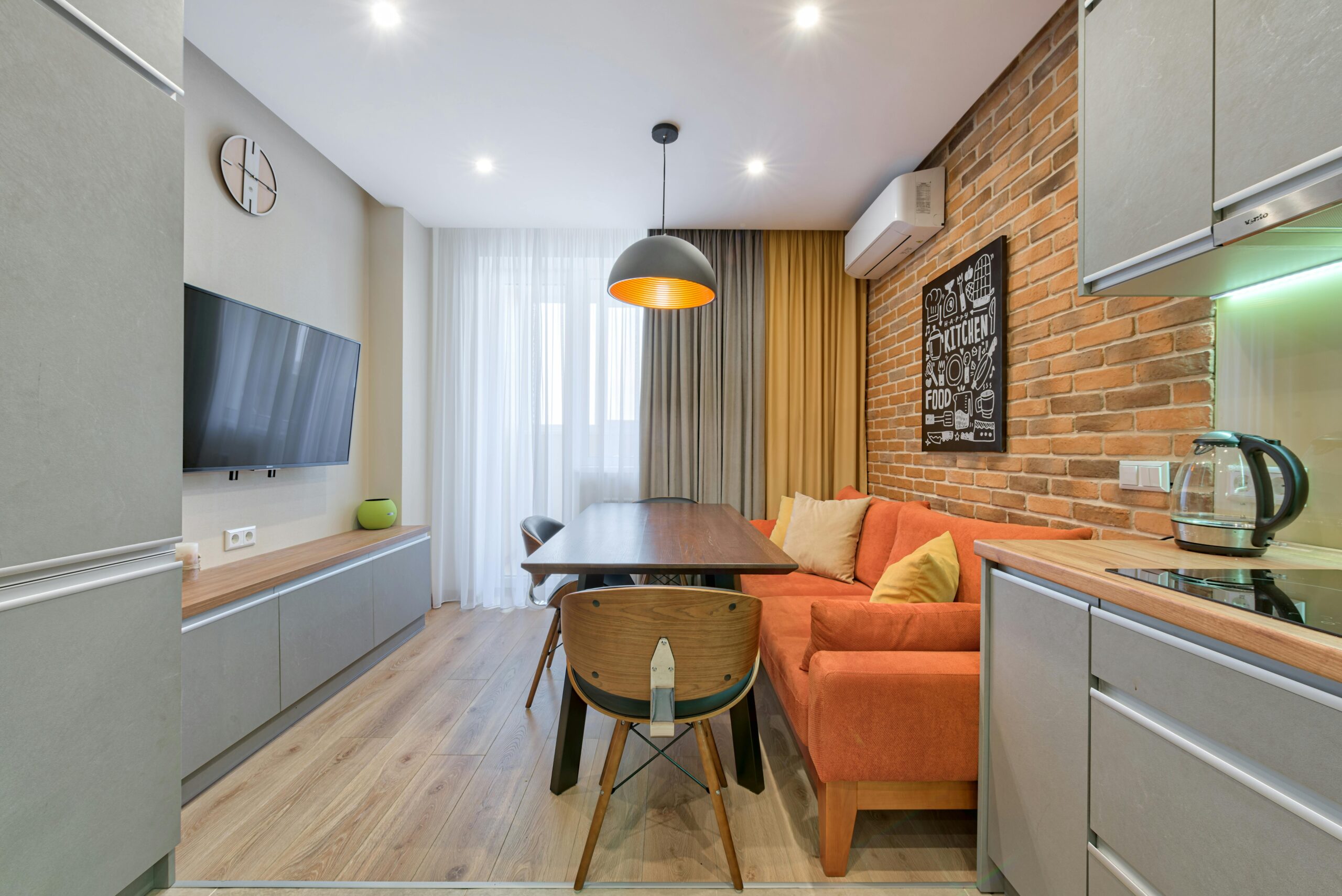
🌟 Bringing It All Together for Lasting Calm
Creating a multi-use room that serves diverse functions without causing overstimulation requires intentional design choices, smart organizational systems, and consistent maintenance habits. The investment of time and thought pays off in spaces that adapt effortlessly to your needs while supporting mental clarity and emotional well-being.
Start with one principle from this guide and implement it fully before adding another. Perhaps begin with establishing clear zones using rugs and furniture arrangement. Once those boundaries feel natural, tackle storage solutions for activity-based organization. Build your ideal multi-functional space gradually rather than attempting everything simultaneously—ironically, trying to do too much at once creates its own form of overwhelm.
Remember that your needs will evolve, and your room should evolve with them. Multi-use spaces thrive on flexibility, so approach your design with the understanding that what works perfectly today might need adjustment in six months. Build in adaptability from the start and you’ll prevent the need for complete overhauls when circumstances change.
The goal isn’t perfection but rather creating a space that serves your varied needs without taxing your mental resources. When you can transition smoothly between work and leisure, solo activities and social time, focused tasks and creative exploration all within the same four walls—without feeling frazzled or overwhelmed—you’ve mastered the art of the multi-use room. Your space should energize rather than deplete you, support rather than stress you, and adapt as fluidly as your daily life demands. With these strategies in place, your multi-functional room becomes not a source of chaos but a foundation for the rich, varied life you’re building.