
Virtual and augmented reality are revolutionizing how we absorb information, transforming passive learning into an immersive, multi-sensory experience that engages our brains in unprecedented ways.

🧠 The Science Behind Multi-Modal Learning
Our brains are naturally wired to process information through multiple channels simultaneously. When we combine visual, auditory, kinesthetic, and spatial learning methods, we create stronger neural pathways that enhance retention and understanding. Traditional learning environments typically engage only one or two sensory modalities at a time, but VR and AR technologies unlock the potential to activate multiple learning channels concurrently.
Research in cognitive neuroscience demonstrates that multi-modal learning increases information retention by up to 75% compared to single-mode instruction. When learners can see, hear, touch, and interact with educational content in three-dimensional space, their brains form more robust memory connections. This phenomenon, known as the “multi-sensory integration effect,” occurs because different brain regions work together to process and store information more efficiently.
The hippocampus, responsible for spatial memory and navigation, becomes particularly activated during VR experiences. This activation helps learners create mental maps of concepts and relationships, making abstract ideas more concrete and memorable. Additionally, the emotional engagement triggered by immersive environments stimulates the amygdala, which plays a crucial role in memory consolidation.
🎯 How VR/AR Transforms Educational Experiences
Virtual and augmented reality environments offer learning opportunities that simply cannot exist in traditional classrooms or textbooks. Medical students can perform virtual surgeries without risk, engineering students can disassemble complex machinery piece by piece, and history students can walk through ancient civilizations as they actually existed.
The spatial nature of VR learning allows students to develop embodied cognition – understanding concepts through physical interaction and movement. When a chemistry student can manipulate molecular structures with their hands in virtual space, they develop an intuitive understanding of molecular bonding that goes far beyond memorizing textbook diagrams.
Practical Applications Across Disciplines
In medical education, VR platforms enable students to practice procedures repeatedly in risk-free environments. Surgical simulations provide immediate feedback, allowing learners to refine their techniques before working with actual patients. Anatomy students can explore the human body from inside blood vessels or examine organs from angles impossible in physical cadaver labs.
Language learning benefits tremendously from AR applications that overlay vocabulary and grammar information onto real-world objects. Learners can point their devices at everyday items and receive instant translations, pronunciation guides, and contextual usage examples. This contextual learning strengthens vocabulary retention because words become associated with specific objects and experiences.
Technical and vocational training programs use VR to simulate expensive or dangerous equipment operation. Aviation students practice in flight simulators, construction workers learn safety protocols in virtual job sites, and automotive technicians diagnose problems in virtual engines. These simulations provide unlimited practice opportunities without material costs or safety concerns.
🚀 The Cognitive Advantages of Immersive Learning
Immersive learning environments tap into several cognitive principles that enhance educational outcomes. The principle of situated learning suggests that knowledge is most effectively acquired within contexts that reflect how that knowledge will be applied. VR and AR create authentic contexts that mirror real-world applications, making learning transfer more seamless.
Attention and focus improve dramatically in VR environments because external distractions are eliminated. When learners put on a VR headset, they enter a controlled environment designed specifically for their educational objectives. This focused attention allows for deeper processing of information and reduces cognitive load from irrelevant stimuli.
Memory Enhancement Through Spatial Learning
The method of loci, an ancient memory technique that involves associating information with specific locations, becomes naturally integrated into VR learning. When students explore virtual environments, they automatically create spatial associations with the information they encounter. These spatial memories are remarkably durable and can be accessed by mentally revisiting the virtual location.
Studies show that information learned in VR environments demonstrates superior retention rates after extended periods compared to traditional learning methods. The vividness and novelty of VR experiences create distinctive memory traces that resist interference from other memories. This phenomenon, known as the isolation effect, makes VR learning particularly effective for long-term retention.
🎨 Designing Effective Multi-Modal Learning Experiences
Creating effective VR/AR educational content requires careful consideration of instructional design principles. Not all implementations of immersive technology produce superior learning outcomes. Success depends on thoughtful integration of pedagogical strategies with technological capabilities.
Effective multi-modal learning experiences follow the cognitive theory of multimedia learning, which emphasizes the importance of managing cognitive load. Virtual environments should present information through complementary rather than redundant channels. For example, visual demonstrations paired with succinct audio explanations work better than visual presentations with text that duplicates the audio narration.
Key Design Principles
- Guided exploration: Provide clear objectives while allowing learners freedom to explore and discover. Unstructured VR experiences can overwhelm learners, while overly rigid experiences eliminate the benefits of active learning.
- Immediate feedback: Leverage the interactive nature of VR to provide instant responses to learner actions. This feedback loop accelerates skill acquisition and helps learners correct misconceptions quickly.
- Progressive complexity: Design experiences that gradually increase in difficulty, allowing learners to build confidence and competence systematically.
- Social integration: Incorporate collaborative elements where appropriate, as social learning enhances engagement and provides opportunities for peer instruction.
- Realistic consequences: Simulate authentic outcomes of decisions and actions, helping learners understand cause-and-effect relationships in safe environments.
📱 Accessible Technologies Breaking Barriers
The democratization of VR and AR technologies has made immersive learning accessible beyond elite institutions. Smartphone-based AR applications bring augmented learning experiences to anyone with a mobile device, while affordable VR headsets have reduced entry barriers significantly.
Google Expeditions pioneered classroom VR field trips, allowing students to visit locations around the world without leaving their schools. Although the platform has evolved, its legacy continues in various educational VR applications that provide virtual field trips to museums, historical sites, natural wonders, and even microscopic or astronomical environments.
AR applications like Merge EDU transform ordinary classrooms into interactive laboratories where students can hold and examine 3D models of everything from human hearts to solar systems. These applications work with inexpensive AR viewers or even without special equipment, using just smartphone cameras to overlay digital content onto physical spaces.
Overcoming Implementation Challenges
Despite the benefits, implementing VR/AR learning faces practical challenges. Hardware costs, technical expertise requirements, and content development expenses can present obstacles for resource-constrained institutions. However, these barriers are diminishing as technology advances and educational communities share resources.
Many educators successfully integrate immersive learning using hybrid approaches that combine affordable technologies with traditional methods. A single VR headset can serve multiple students through station rotation models, while AR applications on existing smartphones require minimal additional investment.
🔬 Evidence-Based Learning Outcomes
Empirical research increasingly supports the effectiveness of immersive learning. A meta-analysis of VR learning studies found that students using VR demonstrated higher learning gains than control groups across diverse subjects and age ranges. Effect sizes were particularly strong for procedural knowledge and spatial understanding tasks.
In one notable study, medical students who practiced surgical procedures in VR performed 230% better in actual operations compared to those who received traditional training alone. The VR-trained group completed procedures faster, made fewer errors, and demonstrated greater confidence in their skills.
Language learning studies reveal that VR environments promoting conversational practice with virtual characters produce significant improvements in speaking confidence and fluency. The reduced anxiety of practicing with virtual partners allows learners to take risks and make mistakes without social embarrassment, accelerating their progress.
🌍 The Future of Immersive Education
Emerging technologies promise to make multi-modal learning even more powerful. Haptic feedback systems that simulate touch sensations are becoming more sophisticated, adding tactile dimensions to virtual experiences. These systems allow learners to feel textures, resistance, and vibrations, creating truly comprehensive sensory experiences.
Artificial intelligence integration will enable adaptive learning environments that respond to individual learner needs in real-time. AI tutors in VR can monitor student performance, identify knowledge gaps, and adjust instruction dynamically. This personalization ensures that each learner receives optimal challenges and support.
Brain-Computer Interfaces: The Next Frontier
Research into brain-computer interfaces suggests future learning environments might respond directly to neural signals. Imagine VR systems that detect confusion or cognitive overload through brainwave patterns and automatically adjust content difficulty or presentation style. While still emerging, these technologies could revolutionize personalized education.
The convergence of VR, AR, and mixed reality (MR) will blur boundaries between physical and digital learning spaces. Students might work on collaborative projects where some participants are physically present while others join virtually, all interacting with the same mixed-reality content seamlessly.
💡 Practical Tips for Educators and Learners
Educators looking to incorporate immersive learning should start small and scale gradually. Begin with simple AR applications that supplement existing lessons before investing in comprehensive VR systems. Pilot programs with willing students can help identify what works best for specific educational contexts.
Professional development is crucial. Teachers need training not just in operating VR/AR technology but in designing effective immersive learning experiences. Many organizations offer free resources and workshops specifically for educators exploring immersive technologies.
For Individual Learners
Self-directed learners can access numerous free and low-cost VR/AR educational applications. Platforms like YouTube VR offer immersive educational content, while apps dedicated to specific subjects provide structured learning paths. Language learners, in particular, will find abundant immersive practice opportunities.
When using VR for learning, follow best practices for session length and frequency. Start with shorter sessions (15-20 minutes) to build tolerance and avoid fatigue. As comfort increases, longer immersive study sessions become productive. Always take breaks to allow your brain to consolidate new information.
🎓 Measuring Success in Immersive Learning
Assessment strategies for VR/AR learning must evolve beyond traditional testing methods. While standardized tests can measure knowledge retention, they may not capture the full range of skills developed through immersive experiences. Performance-based assessments that evaluate practical application of knowledge provide more meaningful measures of learning outcomes.
Analytics embedded in VR/AR applications can track learner behaviors, decision-making patterns, and skill progression over time. These data-rich insights help educators identify struggling students earlier and provide targeted interventions. They also enable researchers to refine instructional designs based on actual user interactions rather than assumptions.
🌟 Embracing the Immersive Learning Revolution
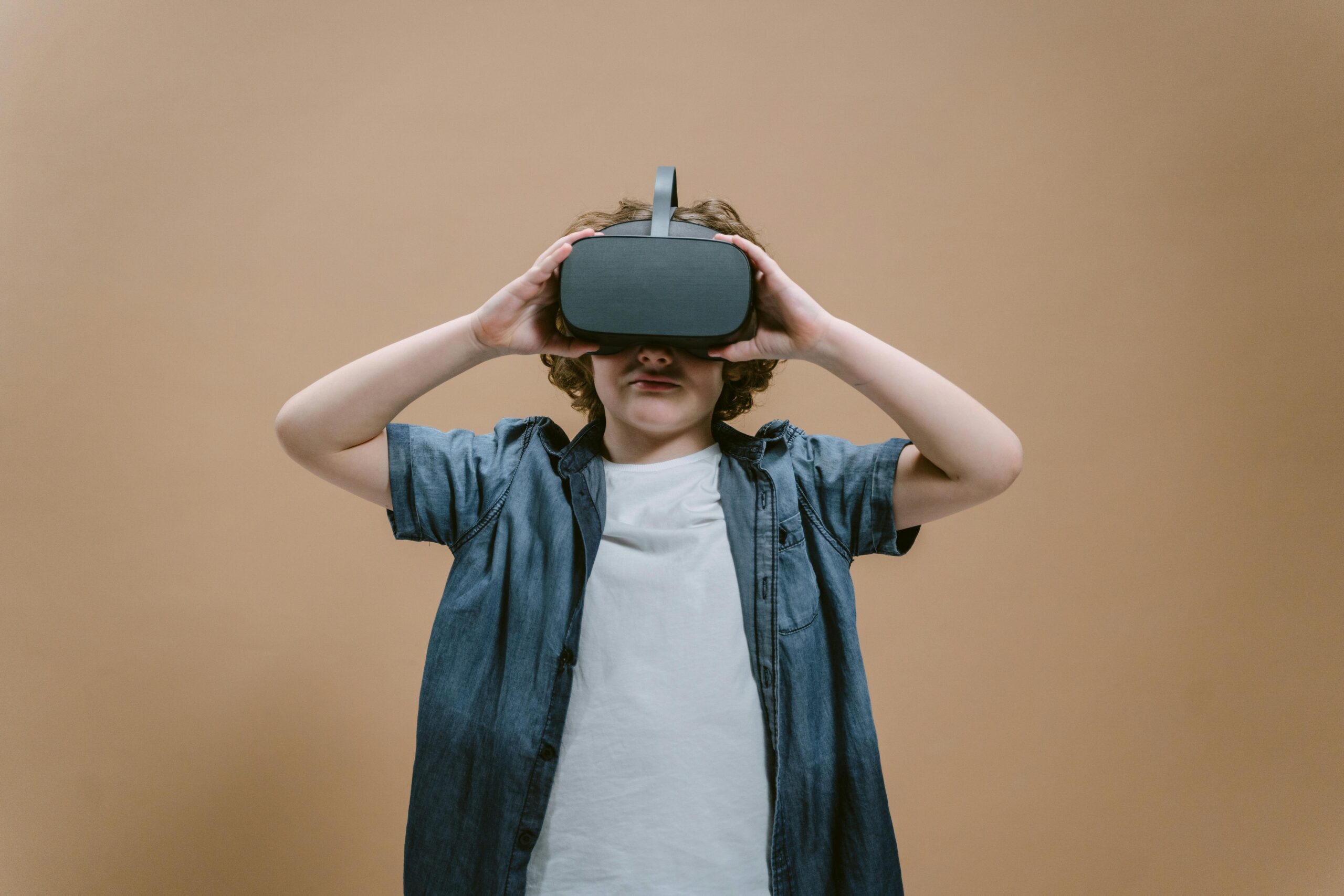
The integration of VR and AR into educational frameworks represents more than technological novelty—it reflects a fundamental shift in understanding how humans learn best. By engaging multiple sensory modalities, creating embodied learning experiences, and providing safe spaces for exploration and failure, immersive technologies address limitations that have constrained education for centuries.
The most successful educational institutions will be those that thoughtfully integrate these technologies while maintaining focus on pedagogical principles and learning outcomes. Technology serves education, not the reverse. When used purposefully, VR and AR become powerful tools that unlock human potential and make learning more effective, engaging, and accessible.
As costs decrease and technologies mature, immersive learning will transition from innovative experiment to standard practice. The question is no longer whether VR and AR belong in education, but how quickly institutions can adapt to leverage their transformative potential. Students who grow up with multi-modal immersive learning experiences will develop cognitive capabilities and learning strategies that prepare them for a rapidly evolving world where adaptability and continuous learning define success.