
Outdoor learning environments offer transformative educational opportunities, especially when designed to welcome children of all abilities through thoughtful sensory-safe adaptations.

The connection between nature and child development has never been more critical. As educators and caregivers increasingly recognize the therapeutic and educational benefits of outdoor experiences, creating inclusive environments that accommodate sensory sensitivities and diverse abilities becomes essential. These spaces can unlock potential, reduce anxiety, and foster genuine engagement with the natural world for every learner.
🌿 Understanding Sensory-Safe Design Principles
Sensory-safe outdoor learning environments prioritize accessibility without sacrificing the rich experiences nature provides. These spaces acknowledge that children process sensory information differently—some seeking intense stimulation while others require gentler, more predictable inputs.
A truly inclusive outdoor classroom considers visual, auditory, tactile, vestibular, and proprioceptive needs. This means creating zones with varying sensory intensities, allowing students to naturally gravitate toward spaces that match their comfort levels and learning styles.
The foundation of sensory-safe design rests on flexibility and choice. Rather than eliminating sensory experiences, effective environments offer graduated exposure and safe retreat options. This approach empowers learners to explore their boundaries while maintaining a sense of security and control.
Creating Predictable Pathways and Visual Boundaries
Clear pathways provide essential structure for children who benefit from predictability. Wide, smooth surfaces with defined edges using natural materials like logs or stone borders help students understand spatial boundaries without creating rigid barriers.
Visual markers such as colored flags, painted rocks, or natural landmarks guide navigation while teaching orientation skills. These elements prove particularly valuable for children with visual processing differences, autism spectrum disorders, or anxiety conditions.
Incorporating gentle curves rather than sharp corners creates flow and reduces the harsh edges that can feel overwhelming. Natural materials blend seamlessly into the environment while providing the structure many learners require.
🎨 Designing Multi-Sensory Learning Zones
Strategic zoning allows outdoor classrooms to serve multiple purposes simultaneously. Each area should offer distinct sensory profiles while maintaining visual and physical connections to the broader space.
A well-designed outdoor learning environment might include a quiet observation zone with minimal stimulation, an active exploration area for dynamic play, a creative construction space, and a social gathering spot. Transitions between these zones should feel natural and unhurried.
The Calm Retreat Space
Every inclusive outdoor environment needs a designated low-stimulation zone. This area features softer colors, natural screening from shrubs or bamboo, and comfortable seating options like smooth logs or ground-level platforms.
Incorporating elements like gentle water features with controllable flow, wind chimes positioned away from main activity areas, and plants with soft textures creates a restorative environment. These spaces serve as emotional regulation zones where students can decompress when feeling overwhelmed.
Natural shade from trees or fabric canopies protects against visual glare while creating temperature-regulated microclimates. The goal is providing a space that feels separate yet remains visible to supervising adults.
Active Engagement Areas 🏃
Children with sensory-seeking behaviors need opportunities for intense physical activity and rich sensory input. Designated active zones should include varied terrain, climbing opportunities using natural elements, and spaces for running and jumping.
Balance beams made from logs, stepping stones across gentle slopes, and natural tunnels created by strategically planted vegetation offer proprioceptive and vestibular input. These elements develop body awareness while providing the sensory feedback many children crave.
Open spaces for organized activities allow for structured games and gross motor development. The key is ensuring these energetic zones don’t acoustically or visually overwhelm calmer areas through thoughtful placement and natural sound barriers.
🌸 Selecting Appropriate Plants and Natural Materials
Plant selection significantly impacts the sensory profile of outdoor learning spaces. The right vegetation provides education opportunities while accommodating various sensory needs and safety considerations.
Avoid plants with strong fragrances near main pathways, as scent sensitivities can trigger discomfort or adverse reactions in some children. Instead, create a designated “smell garden” where students can choose to engage with aromatic herbs and flowers.
Include plants with diverse textures—lamb’s ear for soft tactile experiences, ornamental grasses for visual and auditory interest, and smooth-leaved plants for children who find certain textures aversive. Always exclude toxic, thorny, or allergenic species from areas where children explore independently.
Seasonal Interest and Predictability
Selecting plants that change gradually through seasons helps children understand natural cycles while maintaining environmental predictability. Sudden dramatic changes can feel unsettling to learners who rely on consistency.
Evergreen elements provide year-round structure and familiarity. Deciduous plants offer learning opportunities about transformation when introduced thoughtfully with preparation and discussion.
Native species typically require less maintenance, support local ecosystems, and connect students to their regional environment. This approach teaches environmental stewardship while creating authentic learning opportunities.
🎯 Incorporating Flexible Learning Stations
Fixed outdoor furniture can limit adaptability, but strategically placed learning stations offer structure while maintaining flexibility. Mobile elements allow educators to modify spaces based on specific activities or student needs.
Consider weather-resistant storage containers holding activity-specific materials, movable shade structures, and lightweight seating options. This flexibility enables educators to create impromptu learning configurations responding to teachable moments or student interests.
Natural Loose Parts for Open-Ended Exploration
Loose parts—natural materials children can move, manipulate, and combine—encourage creativity while accommodating different learning styles and abilities. Smooth stones, pinecones, sticks, shells, and seed pods become tools for mathematics, art, science, and imaginative play.
Providing containers for collecting and organizing loose parts teaches classification skills while offering satisfying organizational activities for children who find comfort in sorting and arranging.
Rotating available materials maintains interest and introduces new concepts without overwhelming the environment with excessive options. A curated selection proves more effective than abundance.
💧 Water Features and Sensory Play Elements
Water offers unparalleled sensory and learning opportunities, but requires careful implementation in inclusive environments. Controllable water features allow students to choose their engagement level.
Hand pumps connected to small channels, rain chains directing precipitation into collection barrels, and shallow exploration basins provide hands-on experiences with water properties. These elements should include shut-off mechanisms and clear visual boundaries.
For children with water sensitivities or safety concerns, observation points where they can watch water activity from a comfortable distance ensure inclusion without pressure to participate directly.
Sound Management in Outdoor Spaces 🔊
Acoustic considerations often receive insufficient attention in outdoor design, yet sound significantly impacts sensory experiences. Natural sound barriers using berms, dense plantings, or earth structures reduce noise pollution from nearby streets or playgrounds.
Introduce pleasant natural sounds deliberately—rustling grasses, birds attracted to feeders, or gentle water movement—while avoiding harsh or unpredictable noises. Wind chimes should be positioned in peripheral areas where their sound adds ambiance without creating auditory overwhelm.
Create “quiet zones” with additional acoustic buffering for students who process auditory information differently. These spaces allow participation in outdoor learning without the full acoustic intensity of active areas.
🛤️ Accessibility and Physical Navigation
True inclusion requires addressing mobility needs alongside sensory considerations. Pathways should accommodate wheelchairs, walkers, and other assistive devices while maintaining connection to natural elements.
Firm, smooth surfaces with minimal grade changes ensure accessibility without creating institutional atmospheres. Compacted crushed stone, stabilized earth, or permeable pavement options balance functionality with natural aesthetics.
Raised garden beds and vertical growing systems bring planting activities to accessible heights. These adaptations benefit all students by reducing bending and providing varied working positions.
Multi-Height Work Surfaces and Seating
Providing work surfaces and seating at various heights accommodates different ages, sizes, and physical needs. Natural elements like log stumps in graduated sizes, flat boulders, and built platforms offer organic-looking solutions.
Some children learn best while standing or moving; others require supportive seating. Incorporating options without prescribing specific uses allows students to self-select appropriate positions for their needs.
Ground-level work spaces accommodate students who prefer or require floor-based activities, while raised platforms serve those who need elevation or have difficulty with ground transitions.
🌤️ Weather Protection and Thermal Comfort
Outdoor learning shouldn’t cease with weather changes. Thoughtful design extends usability across seasons while respecting individual thermal sensitivities and weather tolerances.
Natural shade from deciduous trees provides summer cooling while allowing winter sun exposure. Supplemental shade structures offer immediate relief and serve as gathering points for group instruction.
Wind breaks using strategic plantings or natural fencing create microclimates that extend comfortable outdoor time. These features prove particularly important for children with temperature regulation challenges common in certain disabilities.
Transitional Spaces Between Indoor and Outdoor Environments
Covered transition areas help students adjust between indoor and outdoor sensory environments. These spaces reduce the shock of sudden environmental changes that can prove overwhelming for sensitive learners.
Providing storage for outdoor clothing and equipment in these transitional zones supports independence and reduces barriers to outdoor access. Visual schedules depicting outdoor routines help students prepare mentally for environmental changes.
📚 Curriculum Integration and Learning Opportunities
Sensory-safe outdoor environments shouldn’t exist separately from academic goals. The most effective spaces seamlessly integrate curriculum objectives with natural exploration and sensory-appropriate design.
Mathematics concepts emerge naturally through measuring plant growth, counting natural objects, exploring geometric patterns in nature, and estimating quantities. Science comes alive through weather observation, plant life cycles, and ecosystem interactions.
Language development flourishes through descriptive vocabulary building, nature journaling, and storytelling inspired by outdoor experiences. Art finds endless inspiration in natural colors, textures, and forms.
Documentation and Observation Stations 📝
Designated observation stations with weather-protected surfaces for writing and drawing support scientific inquiry while accommodating students who engage best through documentation.
Simple tools like magnifying glasses, collection containers, and measuring implements stored in accessible locations encourage independent investigation. Field guides appropriate for various reading levels support identification activities.
Digital documentation tools can enhance outdoor learning when used purposefully. Photography and video recording allow students to capture observations for later review, benefiting learners who process information better when able to revisit experiences.
👥 Training Educators and Supporting Implementation
Even the most thoughtfully designed outdoor environment requires skilled facilitation. Educators need training in recognizing sensory needs, adapting activities, and supporting students through outdoor challenges.
Professional development should address behavioral communication, understanding that challenging behaviors often represent sensory overwhelm or communication attempts rather than defiance. Recognizing early signs of dysregulation enables proactive support.
Collaboration with occupational therapists, special education specialists, and families provides insights into individual student needs and effective strategies. This partnership approach ensures outdoor experiences support rather than stress learners.
🌱 Starting Small and Growing Intentionally
Creating comprehensive sensory-safe outdoor learning environments need not happen overnight. Starting with one well-designed zone and expanding based on student response and educator comfort proves more sustainable than ambitious projects that become overwhelming.
Observe how students naturally use outdoor spaces before making major modifications. Their choices reveal preferences and needs that should inform design decisions.
Engage students in the design and creation process when appropriate. This involvement builds ownership, teaches planning and implementation skills, and ensures spaces reflect actual user needs rather than adult assumptions.
Community Partnerships and Resource Development
Outdoor learning spaces benefit from community involvement. Local businesses may donate materials, parents can contribute labor or expertise, and community organizations might offer grant funding or volunteer support.
Partnerships with nature centers, environmental organizations, and therapeutic professionals expand programming possibilities while providing expert guidance on specific accommodations or activities.
Documenting the space’s development and impact through photographs and student/family testimonials creates compelling narratives for continued support and potential funding opportunities.
🎉 Measuring Success Beyond Academic Outcomes
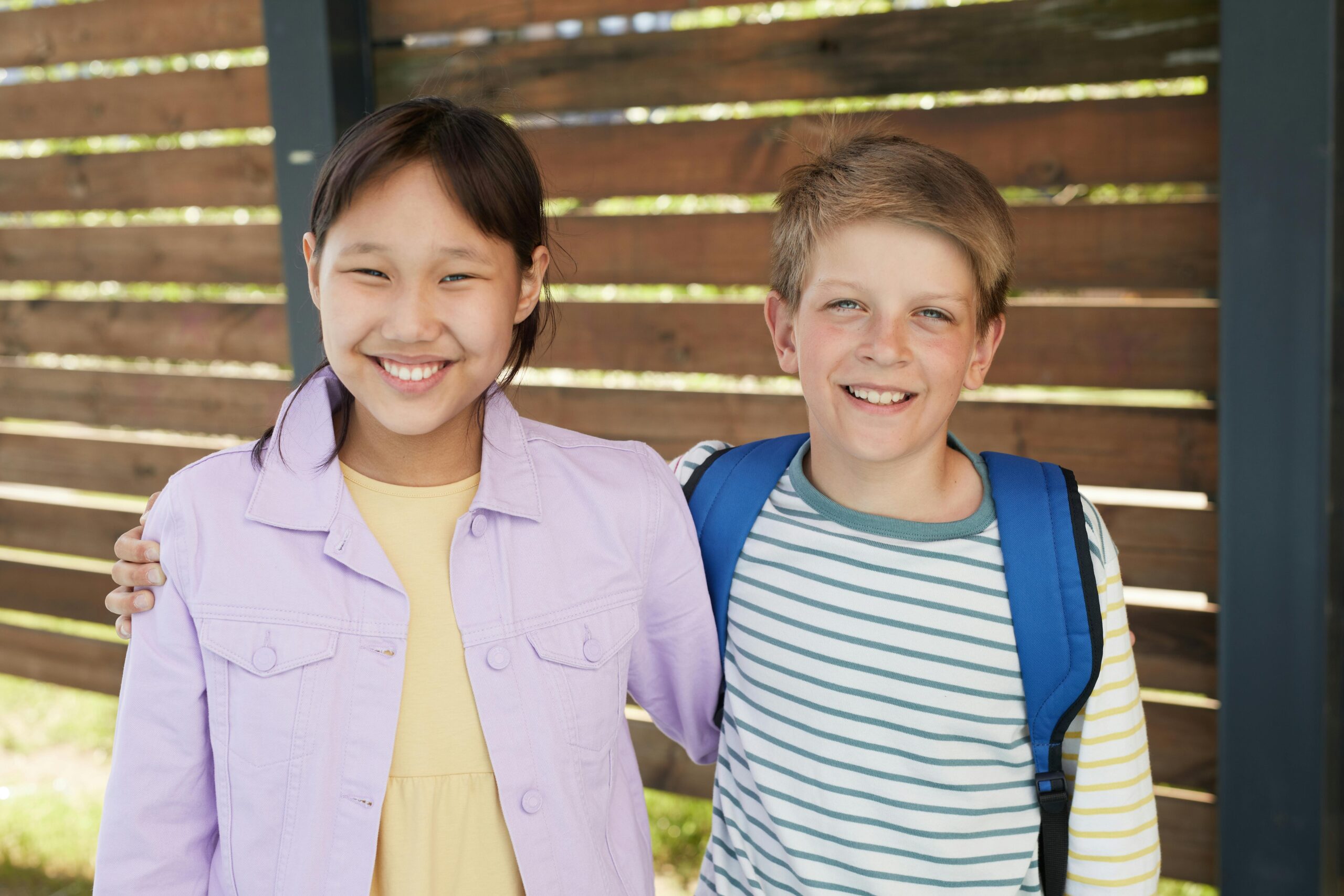
While academic benefits matter, sensory-safe outdoor learning environments succeed when they improve overall wellbeing, increase engagement, and foster positive relationships with nature.
Success indicators include increased outdoor participation from previously reluctant students, longer sustained attention during outdoor activities, reduced behavioral incidents, and student-expressed enthusiasm for outdoor time.
Social-emotional growth—improved peer interactions, increased independence, better emotional regulation—often represents the most significant outcome of well-designed inclusive outdoor spaces.
The journey toward creating truly inclusive outdoor learning environments reflects our commitment to recognizing and valuing neurodiversity and physical differences. Nature’s classroom, when thoughtfully designed, becomes a place where every child can explore, discover, and grow at their own pace and in their own way. These spaces teach us that inclusion doesn’t mean making everyone comfortable with the same things, but rather creating environments flexible enough to meet diverse needs simultaneously.
By unleashing nature’s potential as an inclusive classroom, we provide experiences that traditional indoor environments simply cannot replicate—experiences that ground students in the natural world, build resilience through appropriate challenges, and create memories of joy and competence that last lifetimes. The investment in sensory-safe outdoor learning environments pays dividends not just in immediate educational outcomes, but in fostering a generation of diverse learners who feel capable, connected, and valued.