
Creating a sensory-safe environment isn’t just about accommodation—it’s about welcoming every person with dignity, comfort, and respect for their unique neurological needs.

🧠 Understanding Sensory Processing and Why It Matters
Before diving into training protocols, it’s essential to understand what sensory processing actually means. Our nervous systems constantly receive information through sight, sound, touch, taste, smell, and movement. For many people, this processing happens automatically without conscious thought. However, approximately 1 in 6 children and countless adults experience sensory processing differences that can make everyday environments overwhelming or uncomfortable.
Sensory-safe spaces benefit not only individuals with autism spectrum disorder, ADHD, or sensory processing disorder, but also those experiencing anxiety, PTSD, migraines, or simply stress from overstimulating modern environments. When your staff understands these needs, they create spaces where everyone can function at their best.
The business case is compelling too. Organizations that prioritize sensory accessibility report increased customer satisfaction, longer visit durations, reduced complaints, and enhanced brand reputation. Training your team to maintain these environments isn’t an expense—it’s an investment in inclusivity and excellence.
🎯 Building Foundational Knowledge for Your Team
Effective training begins with education. Your staff needs to understand the eight sensory systems—not just the traditional five senses, but also proprioception (body awareness), vestibular (balance and movement), and interoception (internal body signals). This comprehensive understanding helps them recognize why someone might react strongly to flickering lights, background music, or even certain fabric textures.
Create learning modules that include real-world examples your team will encounter. Use video demonstrations showing how sensory overload manifests—a child covering their ears in a loud space, an adult squinting under fluorescent lights, or someone avoiding physical contact during greetings. This contextual learning builds empathy alongside knowledge.
Key Concepts Every Staff Member Should Know
- Hypersensitivity: When sensory input feels more intense than typical, leading to avoidance or distress
- Hyposensitivity: When sensory input registers less intensely, prompting seeking behaviors
- Sensory overload: The overwhelming feeling when too much sensory information floods the nervous system
- Sensory diet: Personalized activities throughout the day that help regulate sensory needs
- Stim behaviors: Self-regulatory movements like rocking, fidgeting, or humming that help process sensory information
🔊 Auditory Environment Management
Sound is often the most challenging sensory element to control, yet it’s crucial for creating comfort. Train your staff to recognize and manage acoustic environments proactively. This includes understanding that background noise considered “pleasant” by some—like piped-in music or ambient chatter—can be torture for others with auditory sensitivity.
Teach your team to monitor volume levels throughout the day using decibel meter apps on smartphones. Establish clear thresholds: general public spaces should ideally stay below 70 decibels, with quiet zones maintained under 50 decibels. Empower staff to adjust sound systems, close doors, or redirect activities when noise levels climb.
Practical Auditory Strategies to Train
Your staff should know how to create acoustic refuges within your space. This might mean designating certain areas as quiet zones, using sound-absorbing materials like acoustic panels or thick curtains, and establishing “quiet hours” during typically busy periods. Train them to recognize the difference between necessary sounds and controllable noise pollution.
Role-play scenarios where staff practice communicating about noise. Teach phrases like “I notice it’s getting loud in here—would you like to move to a quieter area?” or “We can turn down the music if it’s uncomfortable.” This proactive communication prevents distress before it escalates.
💡 Visual and Lighting Considerations
Lighting dramatically impacts sensory experience, yet many staff members never consider its effects. Fluorescent lights—still common in many facilities—can cause headaches, eye strain, and even trigger migraines or seizures in sensitive individuals. The barely perceptible flicker of these lights can be intensely distracting for people with sensory differences.
Train your team to recognize problematic lighting conditions. Teach them to spot flickering bulbs immediately and report them for replacement. If possible, transition to LED lighting with high Color Rendering Index (CRI) ratings above 90, which provides more natural, comfortable illumination without flicker.
Staff should understand how to modify lighting throughout your space. This includes knowing which lights can be dimmed, having access to lamp alternatives instead of overhead lighting, and understanding how natural light can be filtered through blinds or curtains to reduce glare without eliminating beneficial daylight.
Creating Visual Calm
Beyond lighting, visual clutter affects sensory processing. Train staff to maintain organized, uncluttered spaces where eyes can rest. This doesn’t mean sterile environments—rather, thoughtful design where visual stimulation is intentional rather than chaotic. Teach your team to recognize when displays, signage, or decorations create visual overwhelm and how to streamline these elements.
🤲 Tactile and Physical Space Management
Touch is deeply personal, and tactile sensitivities vary enormously. Some individuals experience normal touch as painful, while others seek intense tactile input. Your staff training should emphasize consent and awareness around all physical contact, from handshakes to assistance with navigation.
Implement a clear protocol: always ask before touching, respect personal space boundaries, and never force physical greetings. Train staff to offer verbal alternatives: “Would you prefer a handshake, wave, or verbal greeting?” This simple accommodation shows respect and prevents discomfort.
Beyond interpersonal touch, train your team to consider environmental tactile elements. This includes maintaining comfortable temperature ranges (typically 68-72°F), ensuring furniture has varied textures to suit different preferences, and keeping spaces clean without overwhelming chemical scents from cleaning products.
👃 Scent Awareness and Olfactory Considerations
Smell is the sense most directly connected to memory and emotion, making olfactory sensitivities particularly challenging. What one person finds pleasant—scented candles, air fresheners, perfumes—another may find nauseating or migraine-inducing. Staff training must address this often-overlooked sensory domain.
Establish and enforce fragrance-free policies in sensory-safe spaces. This extends beyond prohibiting air fresheners to requesting staff avoid heavy perfumes, scented lotions, and strongly fragranced laundry products on workdays. This can be culturally sensitive territory, so frame it around health and accessibility rather than personal preferences.
Train your team to use unscented or naturally scented cleaning products and to clean during off-hours when possible, allowing spaces to air out before people arrive. Teach them to recognize signs that someone is reacting to a scent—wrinkled nose, moving away from an area, rubbing eyes—and how to respond helpfully.
📋 Developing Standard Operating Procedures
Knowledge means nothing without implementation. Transform your training into standard operating procedures (SOPs) that staff can reference and follow consistently. These living documents should be accessible, clear, and regularly updated based on staff feedback and evolving best practices.
Create sensory environment checklists for different times of day. Morning opening procedures might include checking all lights function properly without flicker, confirming sound systems are set to appropriate volumes, and ensuring quiet zones remain uncluttered. Mid-day checks might focus on monitoring noise levels during peak activity and adjusting as needed.
Sample Daily Sensory Environment Checklist
| Time | Area | Check | Action if Needed |
|---|---|---|---|
| Opening | All spaces | Lighting function | Replace flickering bulbs, adjust brightness |
| Opening | Common areas | Sound levels | Set volumes to 65dB or below |
| Mid-morning | Quiet zones | Visual clutter | Remove unnecessary items, organize |
| Midday | High-traffic areas | Temperature | Adjust HVAC to maintain 68-72°F |
| Afternoon | All spaces | Scent check | Air out if needed, identify sources |
| Closing | All spaces | Tomorrow preparation | Clean with unscented products, organize |
🗣️ Communication Skills for Sensory Support
How staff communicates about sensory needs is just as important as the physical environment. Train your team in neurodiversity-affirming language that respects different sensory experiences without pathologizing them. Avoid phrases like “overly sensitive” or “just ignore it,” which dismiss legitimate neurological differences.
Practice communication scenarios during training. Role-play situations where someone appears overwhelmed: What do you say? How do you approach? Train staff to ask open-ended questions like “What would make this space more comfortable for you?” rather than making assumptions about what someone needs.
Teach your team to communicate proactively about sensory features. This might include mentioning at entry that “We have a quiet room available if you need a break” or “Please let us know if the lighting or sound needs adjustment.” This normalization reduces stigma and empowers people to advocate for their needs.
🎓 Ongoing Training and Skill Development
Initial training is just the beginning. Sensory-safe environment maintenance requires ongoing education, practice, and refinement. Schedule quarterly refresher trainings where staff can share experiences, ask questions, and learn about new strategies or challenges.
Create opportunities for staff to experience sensory differences firsthand. Simulation exercises—like wearing sunglasses to simulate light sensitivity or using noise-canceling headphones that play unpredictable sounds to mimic auditory processing challenges—build empathy and understanding in ways lecture-style training cannot achieve.
Establish a mentorship system where experienced staff guide newer team members in sensory awareness. This peer-to-peer learning reinforces concepts and creates a culture where sensory considerations become second nature rather than additional tasks.
🔍 Assessment and Continuous Improvement
Train your staff to conduct regular sensory audits of your spaces. Provide them with structured evaluation tools that assess each sensory domain. This might include walking through spaces at different times of day, noting sensory experiences from multiple perspectives, and identifying areas for improvement.
Encourage staff to solicit feedback from visitors and clients about their sensory experience. Simple comment cards, digital surveys, or verbal check-ins provide valuable data about how well your sensory accommodations are working. Train staff to receive this feedback non-defensively and implement appropriate changes.
Measuring Training Effectiveness
Assess your training program’s impact through both quantitative and qualitative measures. Track metrics like the number of sensory-related complaints or requests, staff confidence levels in managing sensory environments, and feedback from individuals with known sensory sensitivities about their experience in your space.
Conduct skills assessments where staff demonstrate their ability to identify sensory challenges and implement solutions. These practical evaluations reveal gaps in understanding that might not appear in written tests or discussions.
🌟 Creating Champions and Building Culture
Transform sensory awareness from a training checkbox into organizational culture by identifying and empowering sensory environment champions within your staff. These individuals receive advanced training and serve as resources for colleagues, keeping sensory considerations at the forefront of daily operations.
Recognize and celebrate staff who excel at maintaining sensory-safe environments. Share success stories in team meetings, highlight innovative solutions employees develop, and make sensory awareness a valued competency in performance evaluations. This positive reinforcement sustains long-term commitment beyond initial training enthusiasm.
💼 Addressing Common Implementation Challenges
Training will inevitably surface concerns and obstacles. Staff might worry about conflicting needs—one person wants lights brighter while another needs them dimmer. Train your team in creative problem-solving: Can you offer varied spaces with different lighting options? Can you provide task lighting that doesn’t affect the entire room?
Budget concerns often arise, but emphasize that many sensory accommodations cost little or nothing. Lowering volume, organizing clutter, and adjusting existing lighting are free. Train staff to identify low-cost, high-impact modifications before assuming expensive overhauls are necessary.
Some staff may resist changes to long-established routines. Address this through education about legal requirements under accessibility laws, the business benefits of inclusive environments, and personal stories that humanize sensory differences. Most resistance dissolves when people understand the “why” behind the changes.
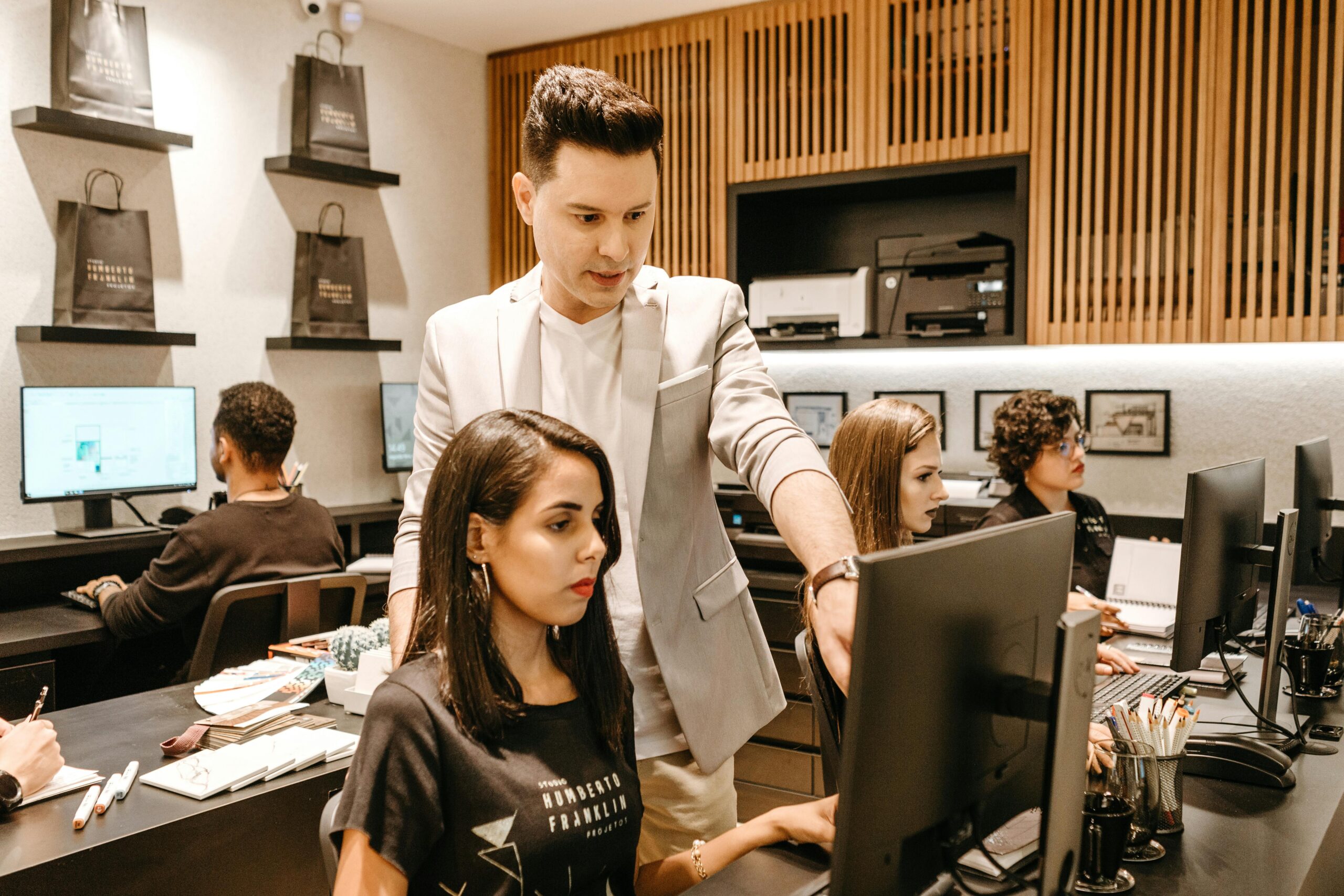
🚀 Moving Forward Together
Training staff to maintain sensory-safe environments represents a fundamental shift in how we think about accessibility and inclusion. It moves beyond ramps and wide doorways to address the invisible barriers that exclude people from fully participating in public spaces.
As your team develops these skills, they’ll discover benefits extending far beyond the intended audience. Sensory-friendly environments reduce stress for everyone, improve concentration and communication, and create spaces where people can be their authentic selves without constant sensory defense mechanisms.
The journey toward consistently sensory-safe environments is ongoing. Neurological diversity means there’s no one-size-fits-all solution, but with well-trained, empathetic staff who understand sensory processing and maintain thoughtful environments, you create spaces where comfort is the foundation of every interaction. This isn’t just good practice—it’s the future of truly accessible, welcoming environments for all.
Begin your training program today. Start with education, build skills through practice, establish clear procedures, and foster a culture where sensory awareness is valued. Your staff has the power to transform your environment from merely tolerable to genuinely comfortable for every person who enters. That transformation begins with the commitment to train, implement, and continuously improve—creating comfort that truly serves all.