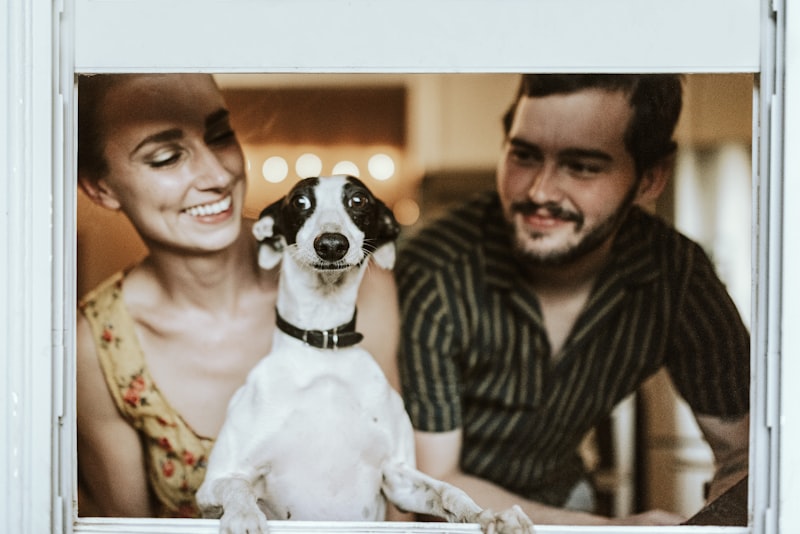
Animals are quietly stoic. In the wild, looking weak makes you a target, and that instinct didn't disappear when our pets moved onto the couch. So your dog or cat will often feel unwell long before they "look" sick to us. During my years as a veterinary technician, the cases that worried me most weren't the dramatic ones. They were the owners who said, almost apologetically, "He's just not himself, and I can't really explain why." That gut feeling is worth more than people give it credit for.
I want to be clear up front: this article is general education, not a diagnosis, and it can't replace your own veterinarian who actually knows your pet. What I can do is help you notice things sooner, because noticing sooner is often what matters most.
Start by Knowing Your Pet's Normal#
You can't spot a change if you never mapped the baseline. Every pet has their own normal, and it varies enormously by species, breed, age, and personality. A lazy senior cat and a bouncy young terrier have completely different "normals," and what's concerning in one is unremarkable in the other.
So pay attention while your pet is healthy. How much do they usually eat, and how fast? How many times a day do they pee or poop, and what does it typically look like? Where do they like to sleep, how do they greet you, how playful are they in the evening? You don't need a spreadsheet. You just need a quiet familiarity, the kind that lets you say "that's odd" before you can even explain why.
The owner who notices the small stuff is the one who catches problems while they're still small.
When you do visit the vet, this knowledge becomes gold. "She normally finishes her bowl in two minutes but has been leaving half for three days" tells your vet far more than "she seems off."
The Four Areas Worth Watching#
Most early warning signs show up in a handful of everyday categories. None of these confirms anything on its own, but a clear change is your cue to pay closer attention and, often, to call.
Appetite and thirst. Eating noticeably less, refusing favorite foods, or suddenly eating ravenously can all matter. The same goes for water: drinking a lot more or a lot less than usual is a common early flag for several conditions and always worth mentioning to your vet.
Energy and demeanor. Is your normally social pet hiding? Is your couch-loving dog suddenly restless, or your playful cat sleeping through everything? Both ends of the spectrum, unusual lethargy and unusual agitation, can signal that something hurts or feels wrong.
Bathroom habits. Changes in the litter box or on walks are some of the most useful clues we have. Diarrhea, constipation, straining, accidents from a previously house-trained pet, or any change in color or frequency deserve attention. Straining to urinate, especially, can be serious.
Behavior and body language. Pets in discomfort may become withdrawn, clingy, or unusually irritable. A gentle dog who suddenly guards a body part, a cat who stops grooming, or a pet who flinches when touched in one spot is telling you something.
When It's Wait-and-See#
Not every hiccup is a crisis. A single soft stool in an otherwise bright, playful pet who's eating and drinking normally is often something you can monitor for a day. The key is the whole picture. One mild sign, with everything else normal, usually means keep an eye out. Several signs together, or one mild sign that keeps getting worse, means it's time to call.
When in doubt, calling your vet's office to describe what you're seeing costs nothing and is never the wrong move. A good clinic would rather answer a "probably nothing" question than have you wait too long.
Red Flags: Call the Vet Now#
Some signs are not wait-and-see. If you notice any of the following, contact your veterinarian or the nearest emergency vet right away, even at night or on a weekend:
- Difficulty breathing, choking, or gums that look pale, blue, or grey
- Collapse, sudden weakness, seizures, or unresponsiveness
- Repeated vomiting or diarrhea, especially with blood, or a swollen, hard belly
- Straining to urinate or unable to pass urine (this is a true emergency, particularly in male cats)
- Suspected poisoning, or eating something toxic or a foreign object
- A bloated, distended abdomen with restlessness and unproductive retching, especially in deep-chested dogs
- Major trauma, uncontrolled bleeding, or signs of severe pain
- A pregnant or very young animal who seems unwell, or any pet who deteriorates fast
This list is illustrative, not complete, and it can't account for your specific pet. When something feels like an emergency, treat it like one. It is always better to make the call and be reassured than to wait and wish you'd acted.
Trust Your Instincts, Then Trust Your Vet#
Here's the honest truth from someone who spent years on the clinic floor: owners are right far more often than they expect. You live with this animal. You know the rhythm of their days. When that rhythm breaks and you can't shake the feeling that something's wrong, that feeling is data.
What I'm not asking you to do is diagnose, treat, or medicate at home. Please don't reach for human medicines or leftover prescriptions, and don't try to guess the dose of anything. Many things that are safe for us are dangerous for pets, and the right next step is always a conversation with your veterinarian, who can examine your pet, run the tests that actually answer the question, and guide treatment safely.
So keep watching the small stuff. Learn your pet's normal while they're well, notice when it shifts, and know which signs can't wait. Do that, and you become the most valuable member of your pet's care team, the one who raises a hand early. Your vet will take it from there.