Cats are often called mysterious, but I think that reputation is a little unfair. They are talking to us constantly — we just tend to listen with the wrong set of expectations. After years of fostering, I've learned that a cat's body is far more honest than any sound it makes. Once you start watching the tail, the ears, and the eyes together, your cat stops feeling like a puzzle and starts feeling like a roommate with very clear opinions.
The trick is reading the whole cat, not one part in isolation. A flicking tail means something different on a relaxed cat dozing in the sun than it does on a cat crouched low by the window. Context is everything. Let's walk through the signals I rely on most.
The Tail Tells the Story First#
If I could only watch one thing, it would be the tail. It's the most expressive part of a cat, and it broadcasts mood from across the room.
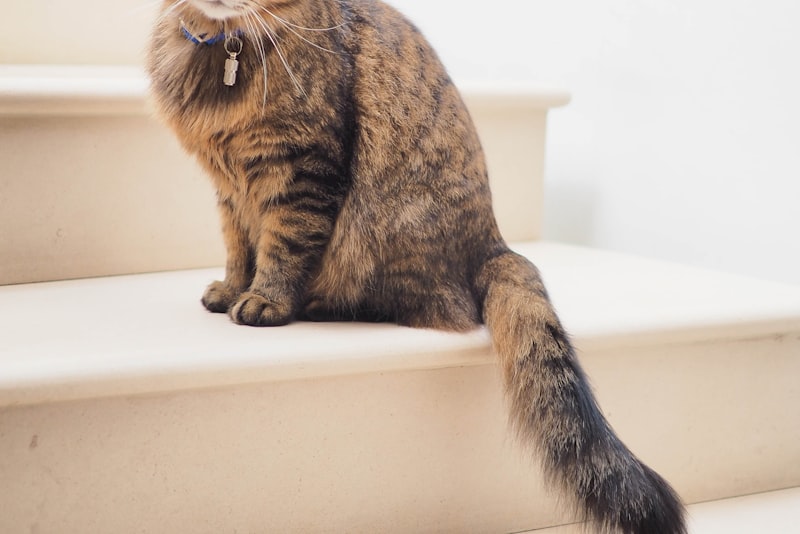
A tail held straight up, with a gentle hook or curve at the tip, is the feline equivalent of a happy wave. Cats often greet people and friendly companions this way, and you'll see it most in confident, content animals. When that upright tail starts to quiver, your cat is genuinely excited to see you.
Lower positions tell a different story. A tail tucked close to the body or wrapped underneath usually means your cat feels unsure or wants to seem small. And the big, puffed-up "bottlebrush" tail — paired with an arched back — is fear or surprise making your cat look larger than they are. That's not a moment to reach in; it's a moment to back off.
Then there's the flick. A slow, lazy sway can simply be focus. But a fast lash or thump against the floor is irritation building. When the tail starts thumping, the petting session is over — your cat is telling you so before they have to use their teeth.
Ears and Eyes: The Fine Print#
The ears add nuance the tail can't. Forward-facing, upright ears belong to a curious, engaged cat taking in the world. When the ears swivel to the sides or flatten back against the head — what people sometimes call "airplane ears" — your cat is anxious, defensive, or overstimulated. It's an early warning, and a kind one if you notice it in time.
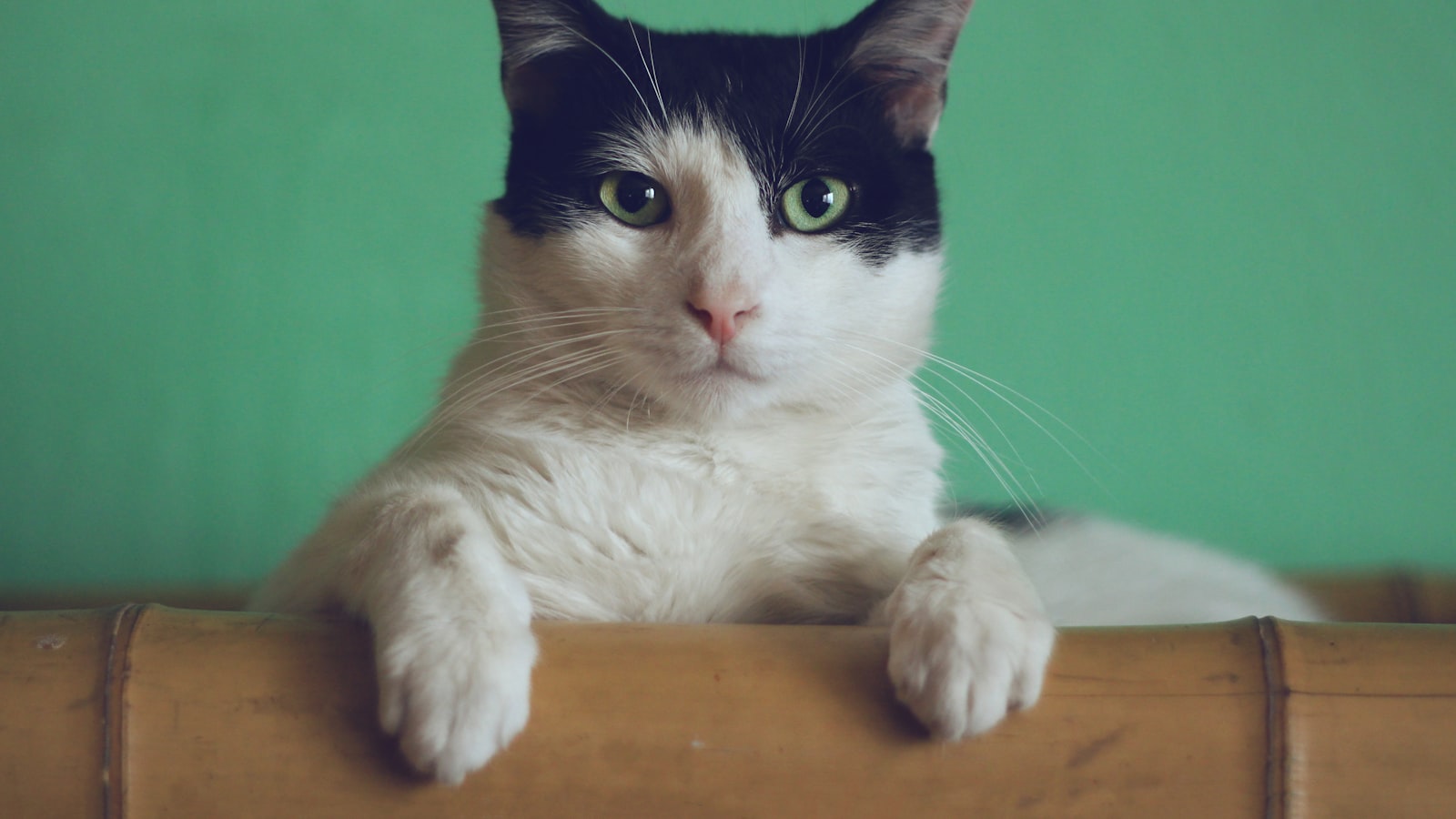
The eyes deserve their own paragraph because of one beautiful gesture: the slow blink. When a relaxed cat looks at you and slowly closes and opens their eyes, they're showing trust. In a world where predators stare, choosing to close their eyes near you is a real compliment.
Try offering a slow blink back the next time your cat catches your eye — soften your gaze, close your eyes for a beat, and open them gently. Many cats will return it, and it's one of the simplest ways to tell your cat you mean no harm.
Pupil size matters too, though you have to factor in lighting. Wide, dilated pupils in a bright room can signal arousal, excitement, or fear, while narrow slits often appear when a cat is calm or focused. Watch how the pupils shift during play versus a tense standoff and you'll start to see the pattern.
The Belly "Trap" and the Myth of the Invitation#
Here's the one that fools nearly everyone. Your cat flops over and exposes their soft belly, and your hand moves toward it almost on instinct. Then — claws, a quick grab, maybe a nip — and you're left wondering what you did wrong.
You didn't do anything wrong, exactly. You misread the message. A cat showing their belly is showing trust: the belly is a vulnerable spot, and exposing it means your cat feels safe enough to be off guard. But "I trust you" and "please rub my stomach" are two different sentences. For many cats, belly contact triggers a defensive reflex even when they adore you.
The respectful response is to admire from a distance, or offer a scratch somewhere your cat actually enjoys — the cheeks, the base of the ears, under the chin. Some cats do love belly rubs, and they'll let you know over time. Let your cat write the rules.
Purring Isn't Always Pleasure#
We treat purring as shorthand for happiness, and most of the time it is. But cats also purr when they're stressed, in pain, or trying to soothe themselves — a kind of self-comfort that can show up at the vet or during illness. The purr is a request as much as a report.
So read it in context. A purr from a loaf-shaped cat kneading a blanket on your lap is contentment. A purr from a cat hiding under the bed who won't come out, or one paired with other signs that something's off, is worth a second look. Sound rarely stands alone — pair it with the body.
Putting It All Together#
The real skill isn't memorizing a chart; it's learning to scan your cat as a whole picture. Loose body, soft eyes, ears forward, tail relaxed — that's a comfortable cat. Tense muscles, flattened ears, dilated pupils, a thumping tail — that's a cat asking for room.
A few signals worth keeping front of mind:
- Upright, curved tail: confident and friendly
- Slow blink: trust and affection
- Flattened ears or thumping tail: stop and give space
- Puffed tail with arched back: fear — don't reach in
Every cat is an individual, and your cat will have personal dialect quirks that no guide can capture. The tortie I fostered last spring waved her tail when she was thrilled, which textbook reading would call irritation — but her ears and her purr told the real story. That's the gift of paying attention: over time you stop reading "cats" and start reading your cat.
And remember that sudden, unexplained shifts in behavior — new hiding, a normally chatty cat going quiet, flinching when touched — can point to something physical. When body language changes out of nowhere, a check-in with your veterinarian is the kind thing to do. Listening is how trust is built, one slow blink at a time.