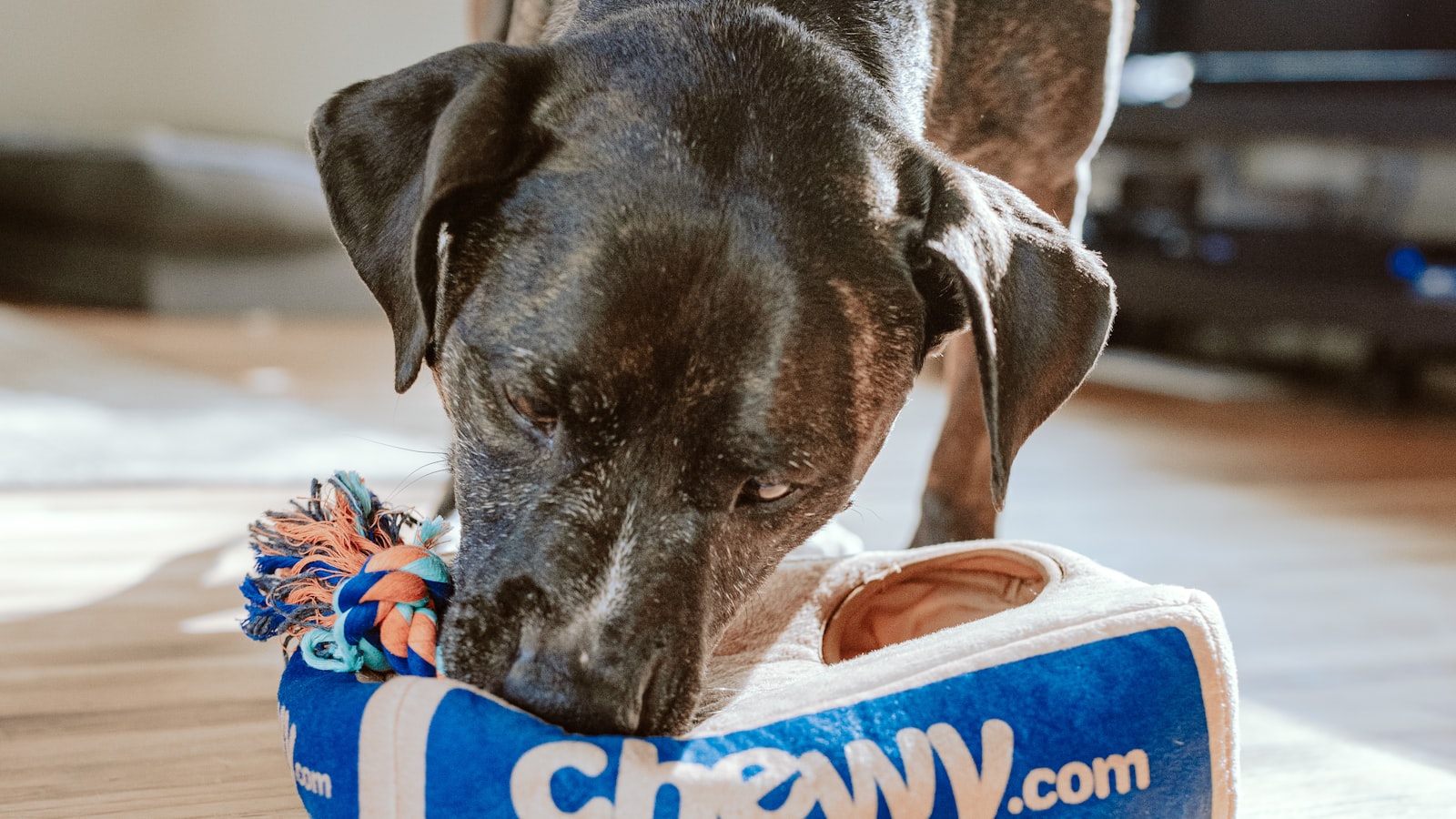
When people first hear "crate training," some picture a cage and feel a pang of guilt. I understand that completely. But done thoughtfully, a crate isn't a cage at all. It's a bedroom. A small, safe, cozy spot that belongs entirely to your puppy, where they can retreat, rest, and feel secure in a big, overwhelming new world.
Dogs are descended from animals that sought out small, enclosed dens, and many puppies take to a crate naturally once it's introduced the right way. A good crate makes house-training smoother, keeps your puppy safe when you can't supervise, and gives them a calm place to decompress. The key word is gently. Rush it or use the crate as a penalty box, and you'll teach your puppy to dread the very thing meant to comfort them.
The Crate Is a Den, Never a Punishment#
This is the rule everything else hangs on. The crate must always be associated with good feelings. Never send your puppy to the crate in anger, never use it as a time-out for chewing your shoe, and never let it become the place where bad things happen.
If the crate predicts treats, naps, chews, and quiet rest, your puppy will wander in on their own. If it predicts isolation and frustration, they'll resist every time. You're building an emotional association, and you get to choose which one.
The crate works when your puppy walks in on their own, not when you have to coax them through the door.
Choosing the Right Size#
Size matters more than people expect. A crate should be just big enough for your puppy to stand up without ducking, turn around comfortably, and stretch out to lie down. That's it.
Why not bigger? Because part of what makes a crate effective for house-training is a puppy's natural instinct to keep their sleeping space clean. If the crate is too large, your puppy can potty in one corner and sleep in the other, and you lose that built-in advantage. Many crates come with a divider panel so you can give a growing puppy more room over time while keeping the usable space appropriately snug for now.
Make it inviting. A soft, washable bed or blanket, maybe a safe chew, and you've got a den worth napping in. Keep the location somewhere your puppy can still sense the household, so the crate never feels like exile.
Introducing the Crate Step by Step#
Take this slowly. The whole point is to let your puppy decide the crate is wonderful, at their own pace.
- Start with the door open. Toss a few treats just inside and let your puppy go in and out freely. No pressure, no closing the door. Let them explore.
- Feed meals near, then inside. Move the food bowl gradually toward the back of the crate over several days. Mealtime is a powerful happy association.
- Build short closed-door moments. Once your puppy is comfortably eating inside, close the door for a few seconds while they're occupied, then open it before they fuss. Slowly stretch the time.
- Add brief absences. Step out of the room for a moment, then return calmly. You're teaching your puppy that you always come back and the crate is fine.
Keep early sessions upbeat and short. If your puppy panics, you've moved too fast, so back up to an easier step. A frantic puppy isn't being dramatic; they're genuinely distressed, and pushing through that fear only sets you back.
A Realistic Schedule#
Puppies have small bladders and can only hold it for so long. A rough guideline many people use is that a puppy can wait roughly one hour per month of age, give or take, and that's an illustrative rule of thumb, not a promise. A young puppy will need frequent potty breaks, including overnight at first.
That means a crate is never a place to leave a puppy for a full workday. Long stretches of confinement aren't fair and can undo your house-training progress, since a puppy forced to soil their crate loses that clean-den instinct. If you'll be away for long hours, arrange a midday break with a trusted person or a puppy-proofed pen with more room.
A gentle daily rhythm might look like this:
- Potty break right after waking and after meals
- Short crate naps during the day when your puppy is tired
- Play, training, and cuddles between crate sessions so the crate is one part of a full, happy day
Common Mistakes to Sidestep#
A few patterns trip people up, and they're easy to avoid once you know them.
Going too fast is the big one. Excitement to "finish" crate training leads to long sessions before the puppy is ready, and that's how you create a puppy who cries at the door. Slower is faster here.
Using the crate as punishment is the other. Even a frustrated "go to your crate" after an accident can chip away at the positive association. Keep discipline out of the den entirely.
And then there's the midnight whining. It's genuinely hard to tell whether your puppy needs a potty break or just wants company. Early on, a young puppy probably does need to go out, so a quiet, boring trip outside (no playtime) is wise. As they mature and you're confident their bladder can last, you can avoid rewarding attention-seeking fuss by waiting for a brief pause before any interaction. When in doubt with a very young puppy, err on the side of the potty break.
If your puppy shows ongoing distress in the crate, excessive panic, drooling, or signs of real anxiety, please loop in your veterinarian or a force-free trainer. Some dogs struggle with confinement and need a tailored plan, and there's no shame in asking for help.
Crate training is a small investment of patience that pays off for years. Picture it: a grown dog who trots happily into their crate at bedtime, curls up, and sighs that deep, contented sigh. That's not a cage. That's home, and you built it for them.