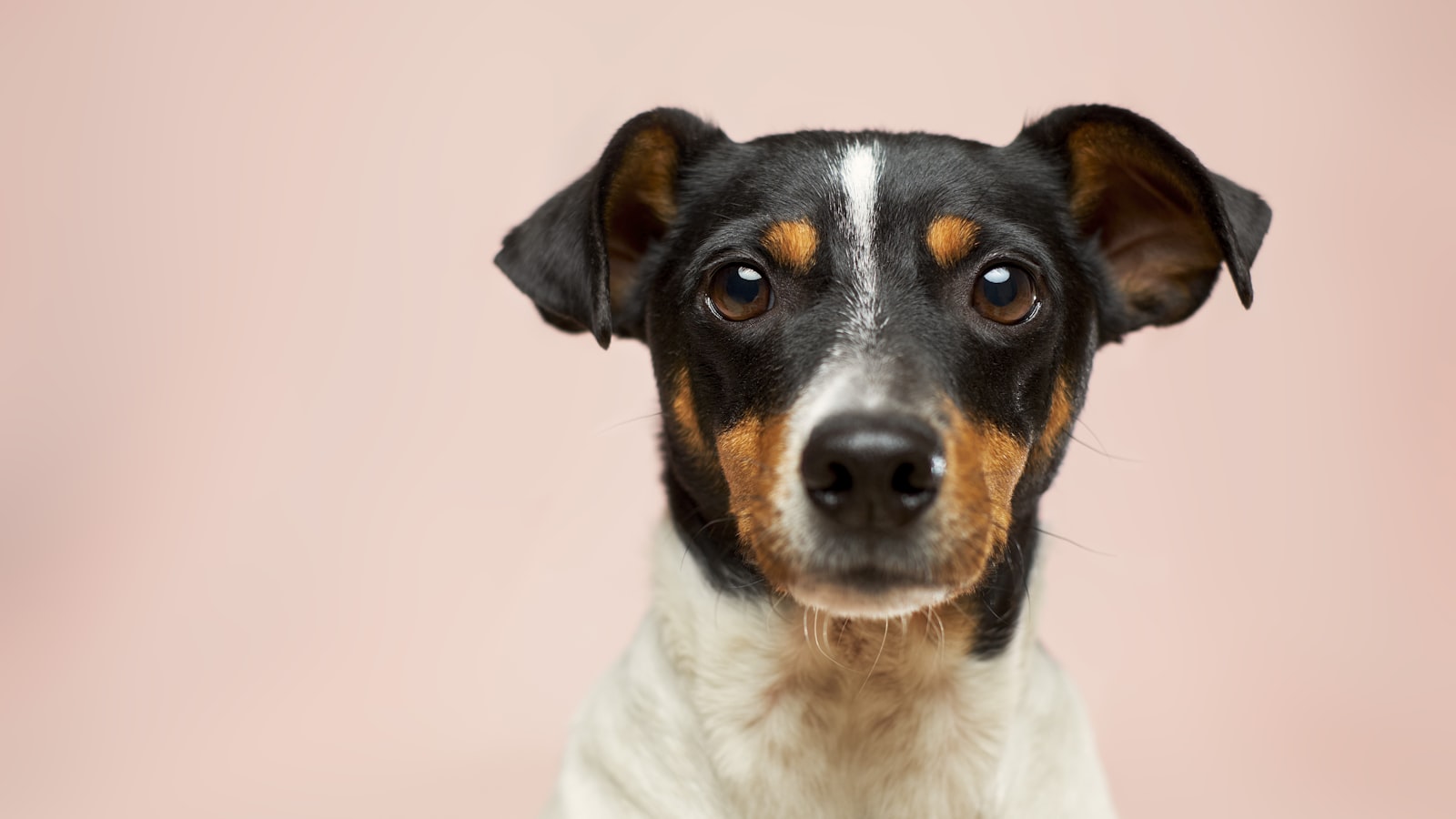
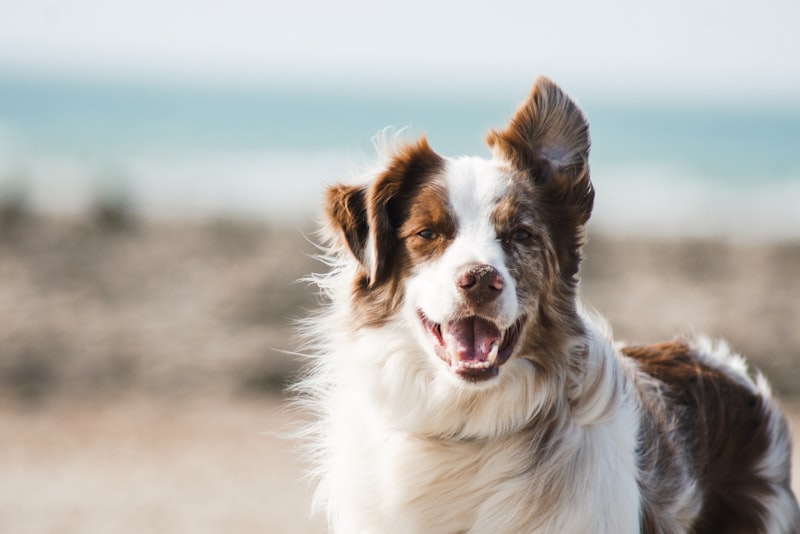
The first time I tried to teach a foster dog to sit, I did everything wrong. I repeated the word a dozen times, got louder, waved a treat around like a magic wand, and ended up more confused than the dog. He just stared at me, tail thumping, having no idea what I wanted. That little terrier mix taught me the most important lesson in dog training: the dog isn't being stubborn. The dog simply doesn't understand yet, and that's your job to fix.
Training isn't about dominance or making your dog "obey." It's a conversation. You're teaching a brand-new language, one small word at a time, and the good news is that dogs are wired to learn from us when we make it clear and rewarding. Let's walk through the foundations that genuinely work.
Why Positive Reinforcement Wins#
Positive reinforcement means you reward the behavior you want, so your dog chooses to do it again. It's not bribery and it's not "going soft." It's how learning works, for dogs and people alike. When something good follows an action, that action gets stronger.
Force-free, reward-based training builds a dog who wants to work with you because the relationship feels safe. Aversive methods, the leash-jerks and scary corrections, might suppress a behavior in the moment, but they erode trust and can create fear or anxiety down the road. I've fostered dogs who flinched at a raised hand, and rebuilding that trust takes far longer than teaching a cue ever would.
A dog who trusts you will try things for you, and trying is where all learning begins.
So your rewards can be tiny, soft treats, a favorite toy, or genuine praise in a happy voice. Whatever lights your dog up, use that.
Timing Is Everything#
Here's the piece most people miss. Dogs live in the moment, so your reward has to arrive within a second or two of the behavior. Reward too late and you might accidentally reinforce whatever your dog is doing now, not what you meant to mark.
A simple trick: use a marker. That can be a clicker or a quick word like "yes." The marker says "that exact thing earned the treat," even if it takes you a moment to deliver it. Click or say "yes" the instant your dog's bottom hits the floor, then follow with the reward. Over time, that bridge makes everything clearer.
Teaching Sit, Stay, and Come#
Sit is the easiest place to start. Hold a treat near your dog's nose, then slowly move it up and back over their head. As the nose follows the treat up, the bottom naturally goes down. The moment they sit, mark it and reward. Once they're doing it smoothly, add the word "sit" right as they begin to move. After plenty of practice, you can fade the lure and use just the word.
Stay builds on calm. Ask for a sit, then reward your dog for staying put for one second. Just one. Slowly stretch the time, then add a step of distance, then a little distraction, but only one at a time. If your dog breaks early, that's information, not disobedience. You went too fast. Back up a step and rebuild.
Come (recall) might be the most important skill your dog ever learns, and it's the one people most often poison without realizing it. The golden rule: coming to you must ALWAYS be wonderful. Never call your dog to you and then do something they dislike, like ending playtime or trimming nails. If "come" reliably predicts good things, your dog will turn on a dime.
To start, get down low, sound thrilled, and call your dog from a few feet away in a safe, enclosed space. When they reach you, throw a party. Big rewards, big praise. Gradually add distance and gentle distractions. Practice on a long line outdoors before ever trusting recall off-leash in an open area.
Keep Sessions Short and Sweet#
A few minutes, a few times a day, will take you further than one marathon session that ends in frustration for both of you. I aim to stop while my dog is still keen, while their tail is still wagging and they want more. That eagerness is what you'll build on tomorrow.
Here's a rough rhythm that works for most dogs:
- Train for three to five minutes, then take a break
- End on something your dog already knows so you finish on a win
- Sprinkle quick cues into everyday life, like a "sit" before dinner
Puppies especially have short attention spans, so meet them where they are. Tired, overstimulated, or hungry-but-distracted dogs won't learn well, and that's not their fault.
Patience, Setbacks, and the Long Game#
Some days your dog will nail a behavior they "knew" yesterday and blank on it today. Welcome to training. Progress zigzags. A new environment, a noisy day, or simple developmental stages can all cause regressions, and pushing harder only adds stress.
When you hit a wall, make the task easier, not harder. Lower your expectations for that session, get a few easy wins, and stop. Confidence is fragile in the early days, and your patience is the thing that protects it.
If your dog is showing fear, aggression, or behavior that worries you, that's worth a conversation with a qualified, force-free trainer or behavior professional, and a chat with your veterinarian to rule out anything physical. Sudden changes in behavior can sometimes have a medical cause, so don't hesitate to ask your vet.
Above all, remember why you're doing this. Training isn't about a perfectly polished dog who performs on command. It's about understanding each other, keeping your dog safe, and building a partnership that lasts a lifetime. Every "sit," every happy recall, is one more brick in that bond. Take your time, keep it kind, and enjoy the conversation. Your dog certainly will.