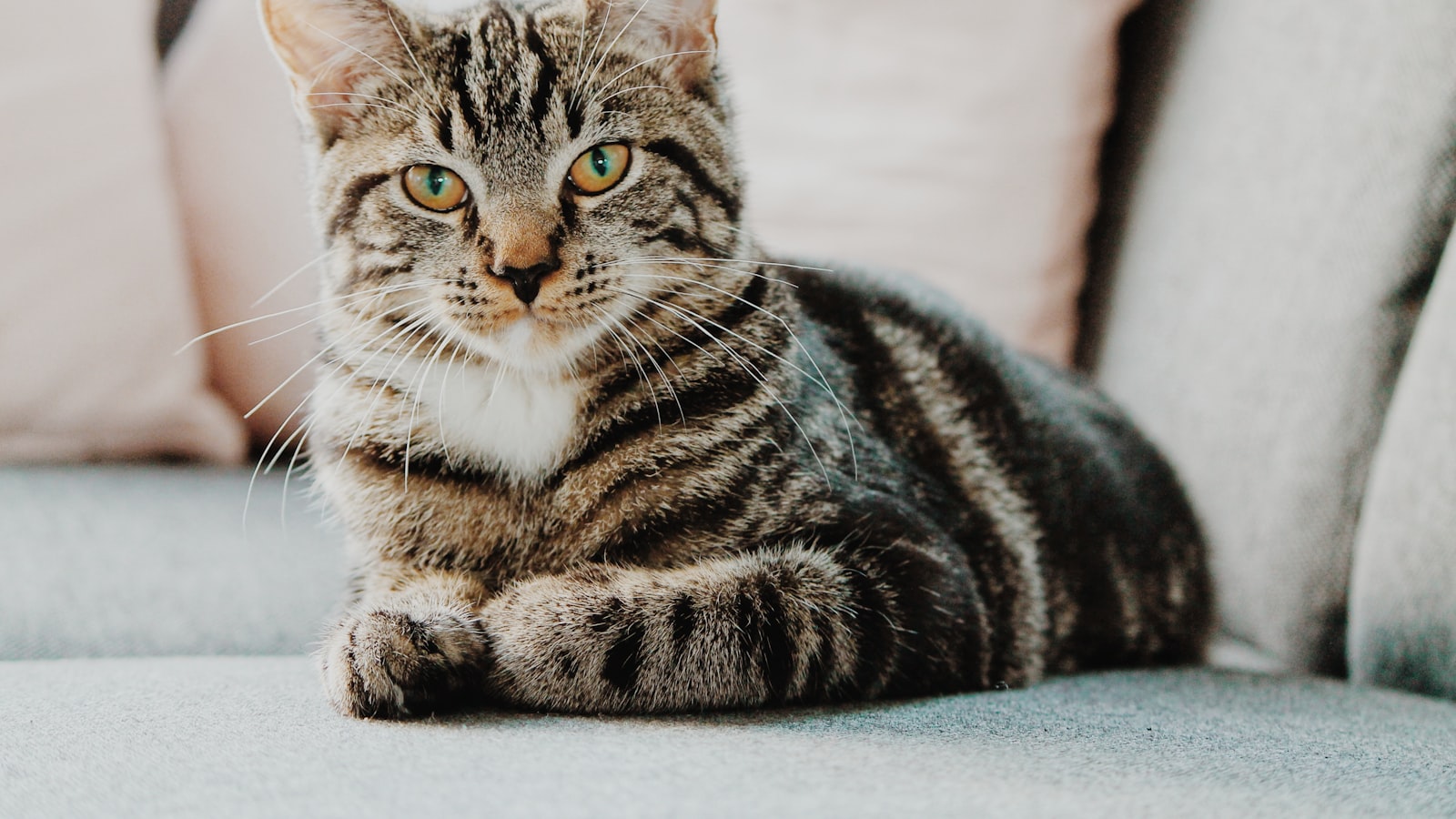
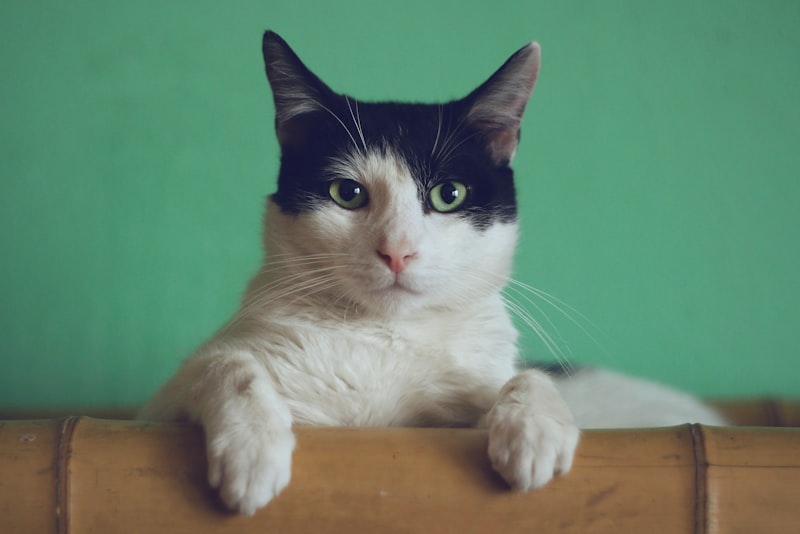
A safe indoor cat can live a long, healthy, fully contented life — I've watched plenty of mine do exactly that. But "safe" and "happy" aren't the same thing, and that's the catch. Out in the world, a cat would spend its hours patrolling territory, stalking prey, climbing, watching, and problem-solving. Bring that same animal indoors with nothing to do, and all that beautifully evolved hardware has nowhere to go. The result is boredom — and boredom in cats tends to leak out as overgrooming, midnight chaos, or a generally grumpy housemate.
The good news is that meeting an indoor cat's needs isn't expensive or complicated. It just means thinking like a cat.
Honor the hunt#
If you do only one thing for your indoor cat, make it this: play that mimics hunting. A real hunt isn't a marathon. It's a sequence — stalk, chase, pounce, catch, kill — repeated in short, explosive bursts. Your job is to recreate that arc.
Grab a wand toy and move it like prey, not like a toy. Skitter it away from your cat, let it hide behind a couch leg, make it freeze and twitch. Prey flees and hides; it doesn't fly hopefully at a cat's face. Let your cat stalk, miss a few times to build the drama, and crucially, let them catch it at the end. A hunt with no capture is frustrating; a successful "kill" is deeply satisfying.
Two sessions of ten to fifteen minutes a day works wonders for most cats, though every cat is different — some want more, some less. Ending an evening session with a small meal taps into the natural hunt-eat-groom-sleep cycle and can buy you a far quieter night.
Build up, not just out#
Here's something many people miss: for a cat, territory is measured vertically as much as horizontally. In the wild, height means safety and a commanding view. Indoors, a cat tree, a few sturdy wall shelves, a cleared windowsill, or even the top of a bookcase transforms a flat apartment into a layered landscape worth exploring.
Vertical space pays off in real ways:
- Confidence. A high perch lets a cat survey their domain and feel secure.
- Peace in multi-cat homes. More levels mean more ways to share a room without conflict — cats time-share and stack rather than crowd.
- A front-row seat. A window view of birds, leaves, and weather is genuine entertainment. Some people call it "cat TV," and it absolutely earns the name.
You don't need to buy anything fancy. A safe shelf and a window with a view can be every bit as enriching as the priciest tower.
Feed the mind, not just the bowl#
Physical exercise is half the picture; mental work is the other half. A cat in the wild has to think to eat — to find, stalk, and outwit a meal. A bowl set down twice a day asks nothing of that clever brain.
Puzzle feeders fix this elegantly. These are toys or boards that make a cat nudge, paw, and problem-solve to release a few pieces of kibble, turning a thirty-second meal into a satisfying ten-minute project. You can buy them or improvise: poke holes in a cardboard tube, or hide small portions of food around a room for a low-key indoor "hunt."
Novelty matters too. Cats habituate fast — a toy that's been on the floor for a month is invisible furniture. Try rotating toys instead of leaving them all out. Keep most stashed away and swap a few in each week, and watch an "old" toy come back to life as something thrilling again. A paper bag with the handles cut off (so no one gets tangled) or a plain cardboard box can outshine anything store-bought.
Enrichment isn't about spending money or filling every corner with gadgets — it's about giving your cat small, daily chances to do the things their instincts are begging them to do.
Lean on routine#
Cats are creatures of habit, and predictability is quietly one of the kindest things you can offer. Meals, play, and quiet time at roughly consistent hours give a cat a sense of order and control over their world, which lowers stress in a way that's easy to underestimate.
This doesn't mean your life has to run by stopwatch. It means the broad shape of the day stays familiar. A cat who knows that evening reliably brings a play session and dinner has something to anticipate, and an anticipated good thing is a powerful antidote to boredom. When you do need to change the routine — a trip, a new schedule, a move — go gradually where you can, and give your cat extra patience while they adjust.
Safe doses of the outdoors#
Plenty of indoor cats are perfectly happy never setting paw outside, and that's fine. But if you'd like to offer a taste of fresh air safely, you have good options.
A catio — an enclosed patio or window box of mesh and frame — lets a cat smell the breeze, feel the sun, and watch the yard without the dangers of true free-roaming: traffic, predators, disease, and getting lost. They range from a simple window-mounted box to a walk-in structure, and many cats adore them.
Some cats can also learn to walk in a well-fitted harness, moving at their own curious pace while you supervise. It's not for every cat, and it takes slow, positive introduction — never force a nervous cat into a harness. Whatever route you choose, the principle holds: maximize the sensory richness of the outdoors while keeping the actual risks at zero.
A happy indoor cat isn't a cat with the most toys. It's a cat whose day includes a chance to hunt, climb, think, watch, and rest in a world that stays reassuringly familiar. Give them those things, and "indoor" stops being a limitation and becomes exactly what it should be — a safe, rich, deeply contented life. And as always, if your cat's energy, appetite, or habits shift suddenly, treat that as a reason to check in with your vet rather than a behavior to manage alone.