The first time my foster kitten dropped a crumpled bottle cap at my feet and stared up at me, I genuinely laughed out loud. She looked so proud. Years and dozens of cats later, I still find these little rituals delightful — and I've learned that almost every "weird" thing a cat does has a perfectly sensible reason behind it. Once you can read the signals, your cat stops being mysterious and starts being wonderfully, hilariously legible.
Let's walk through the greatest hits.
Kneading: the comfort reflex that never leaves#
You know the move. Your cat plants their paws on a blanket — or on your lap — and pushes rhythmically, left, right, left, right, sometimes with a faraway look and a soft purr. People call it "making biscuits," and it's one of the most touching things cats do.
Kneading starts in kittenhood, when nursing kittens press against their mother to stimulate milk flow. As adults, cats keep the gesture as a self-soothing ritual tied to feeling safe and content. When your cat kneads you, take the compliment: they've filed you under "warm, reliable, mine."
The only downside is claws. Rather than pushing your cat away — which sours the moment — slip a folded blanket between those busy paws. You get to keep the bonding; your thighs get to keep their dignity.
Head-butts, cheek rubs, and the slow blink#
Cats are walking scent factories. They have scent glands on their cheeks, chin, forehead, and the base of the tail, and they use them to mark the things they trust. So when your cat bonks their head against your shin or drags a cheek along your phone, they're not just being cute — they're claiming you as part of their familiar, safe world. The technical term is bunting, and it's a high compliment.
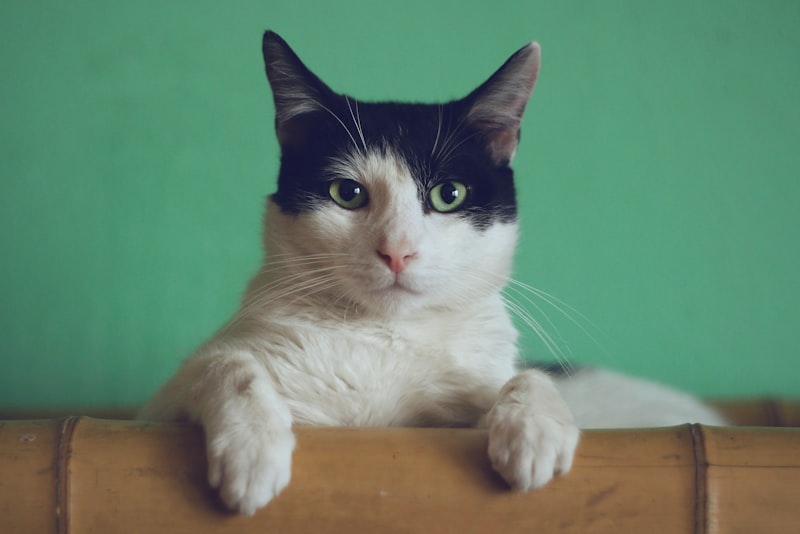
The slow blink is its own quiet language. A cat who looks at you, then closes their eyes in a long, unhurried blink is telling you they feel no threat. You can answer in kind: soften your gaze and blink slowly back. Plenty of shy cats I've fostered have had their very first "conversation" with a human this way.
A cat who chooses to mark you with their scent and lower their guard in your presence is paying you the highest compliment in their vocabulary — trust.
Knocking things off tables (yes, on purpose)#
Here's the behavior that launches a thousand exasperated videos. Your cat approaches a pen on the desk, makes deliberate eye contact, and taps it over the edge. It feels personal. It is not.
A few honest reasons your cat does this:
- Curiosity and physics. Batting an object tells a cat whether it moves, rolls, or makes a satisfying sound. Their paws are sensory tools, and "what does this do?" is a perfectly good question.
- The hunt instinct. A small object that skitters when touched mimics prey. The little pounce-and-swat is the same circuitry that hunts a moth.
- It works on you. If knocking the remote off the couch reliably makes you look up, talk, or get up — congratulations, you've been trained. Attention is attention.
There's no spite in it. The fix isn't punishment; it's redirection. Give your cat better things to bat at — a few toys rotated through the week — and move the truly breakable stuff out of paw's reach. Reward the calm moments with a treat or a few minutes of play, so peace becomes the more rewarding option.
Zoomies: the 3 a.m. grand prix#
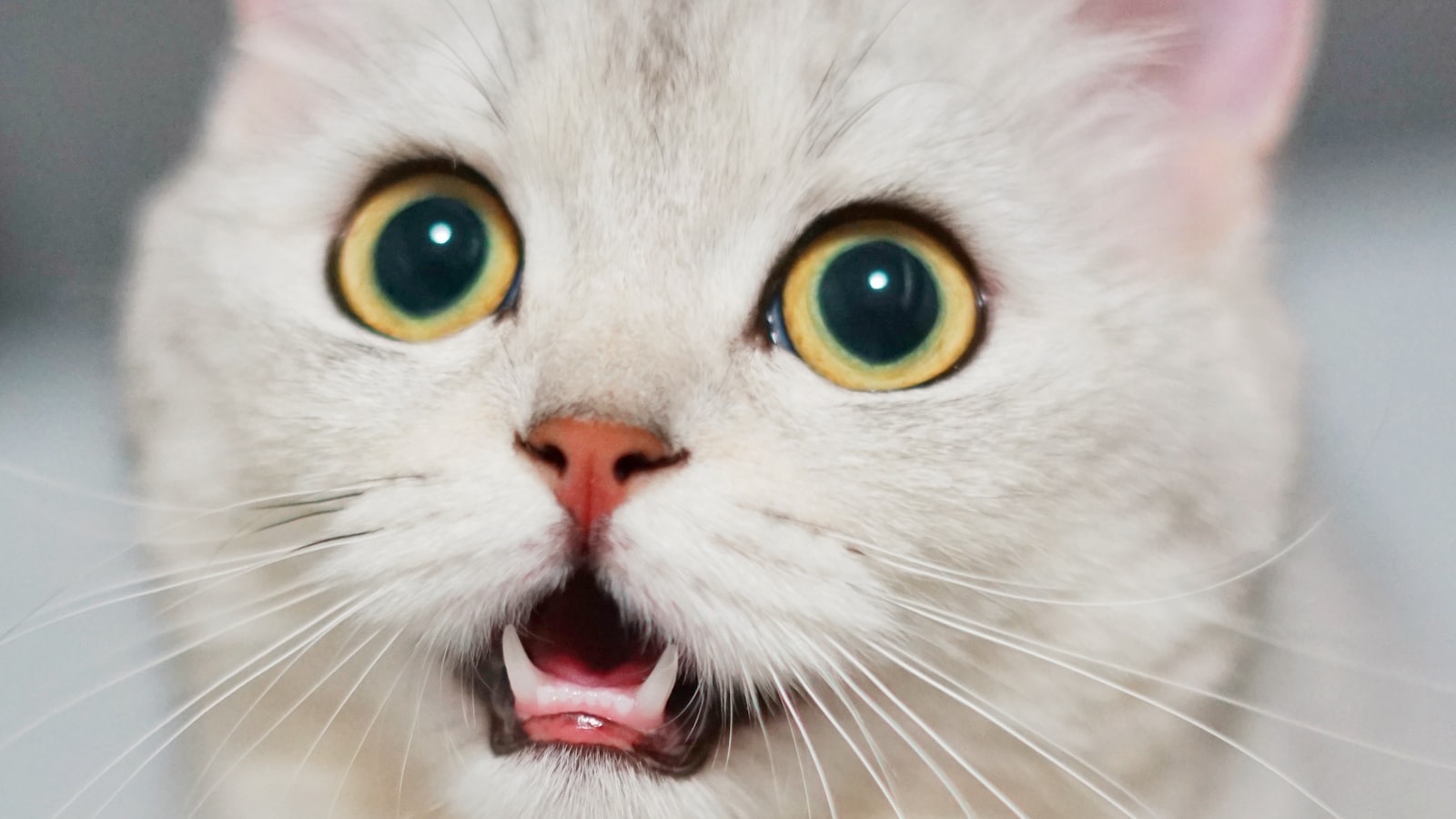
You're half asleep and suddenly your cat is a streak of fur rocketing from the bedroom to the kitchen and back, pupils huge, tail like a bottlebrush. These bursts — formally "frenetic random activity periods" — are completely normal, especially in young and indoor cats.
Think about it from their side. Cats are built to hunt in short, explosive sprints, and an indoor cat who naps through the day arrives at evening with a full tank of unused energy. The zoomies are that tank emptying. They can also follow a trip to the litter box (a known and slightly mysterious phenomenon) or simply a good mood.
The remedy is gloriously simple: play earlier, play more. A solid session with a wand toy in the early evening — let them chase, stalk, and "catch" the toy a few times — drains energy on your schedule instead of theirs. A small meal afterward often nudges a cat toward grooming and a long sleep, following their natural hunt-eat-groom-rest rhythm.
Bringing you "gifts"#
The bottle cap. The hair tie. For outdoor cats, sometimes a leaf or, less charmingly, a real bug. Your cat carries it to you, sets it down, and waits.
Theories vary, and we can't ask the cat directly, but the kindest and most likely reading is social. Cats bring trophies to spots — and individuals — they consider safe and central to their territory. Some behaviorists suspect a teaching echo of how mother cats bring prey to kittens. Either way, you've been included.
Please resist scolding, even for the gross deliveries. To your cat, this is generosity. Accept the gift warmly, then quietly relocate anything unsanitary later. Keeping plenty of toys around gives that carrying instinct a tidier outlet.
When a quirk is worth a second look#
Almost everything above is healthy, normal cat-ness. The thing to watch isn't the behavior itself but a change in it. A cat who suddenly stops kneading and hides, grooms one spot raw, paces and yowls at night when they never used to, or loses interest in play and food may be telling you something hurts.
This is general information, not a diagnosis — but cats are experts at masking pain, so a noticeable shift in habits, appetite, or energy is always worth a call to your licensed vet. Trust your gut. You know your cat's baseline better than anyone.
The longer you live with cats, the more these little behaviors stop reading as random and start reading as a running commentary — affection, curiosity, instinct, and the occasional bid for your undivided attention. Watch closely, answer the slow blinks, and keep a toy handy. Your cat has been telling you who they are all along.